
“Ouch! That Hurts!” We’ve all had those irritating moments when people who should know better but who are different from us have done things which are annoyingly disgusting to us. Some could be minor issues, slight omissions, ignorance and others are super disappointing. Annoyances irritate us, don’t they? For example when that boss of yours who is always harassing you of tiny commas and full stops you missed in that one well researched document (that has nothing to do with your star performance nor your content) and always act like their ideas are the best and their primary motive is minimize the work you have passionately done with all your heart and soul. Some bosses are super annoying that even that 1 billion deal you personally initiated and closed single handedly without any of their “annoying help” they suddenly want to take all the glory and honor for it, let alone the fact that they will never give you credit for any of the work you that makes them shine, some even acting now to suddenly know everyone in the 1 billion “deal chain” who you personally introduced to them in the first place as a matter of communication protocol. Annoying is an understatement won’t you all agree? Disappointments are when people don’t do what is expected of them. For example, when you are a person living with disability in a wheel chair and you are waiting patiently and minding your business in a long queue for over 30 minutes and from nowhere this feel good young “son of a gun” comes from nowhere and cuts you off in line just because he/she “knows” the guard who is manning the line. Disloyalty is when someone you trust so much does not reciprocate that trust for example a friend whose whom you share all your secrets with including your health, investment and marital affairs with and you thought were same boat –only to discover that they never shared none with you and infact they are secretly investing wisely alone.
Betrayal is even worse because it’s when someone you fully trust goes behind your back to harm you, for instance a parent who abuses a child who in a family of 3 comes last in her class work (who might be genuinely challenged in their mental development hence performing poorly in academic scores whether consciously or unconsciously) betrays the poor innocent child. Brutality is another cause of deep hurt because it is when someone violently assaults you and causes harm to you. During times of war and crisis you often read how pregnant mothers with their young infants, refugees, orphans and their physically disabled persons who cannot run fast enough to escape harm’s way -are raped- personal space violated, murdered, battered and injured and sometimes I wonder why God would create such heartless beings for? Brutality leaves people scarred for life and my heart goes to some of you reading this article or your family members that you know who might have experienced some of the worse forms of brutality that I have highlighted above: battering, isolation, rape or murder or just outright discrimination, physical looks or religion.
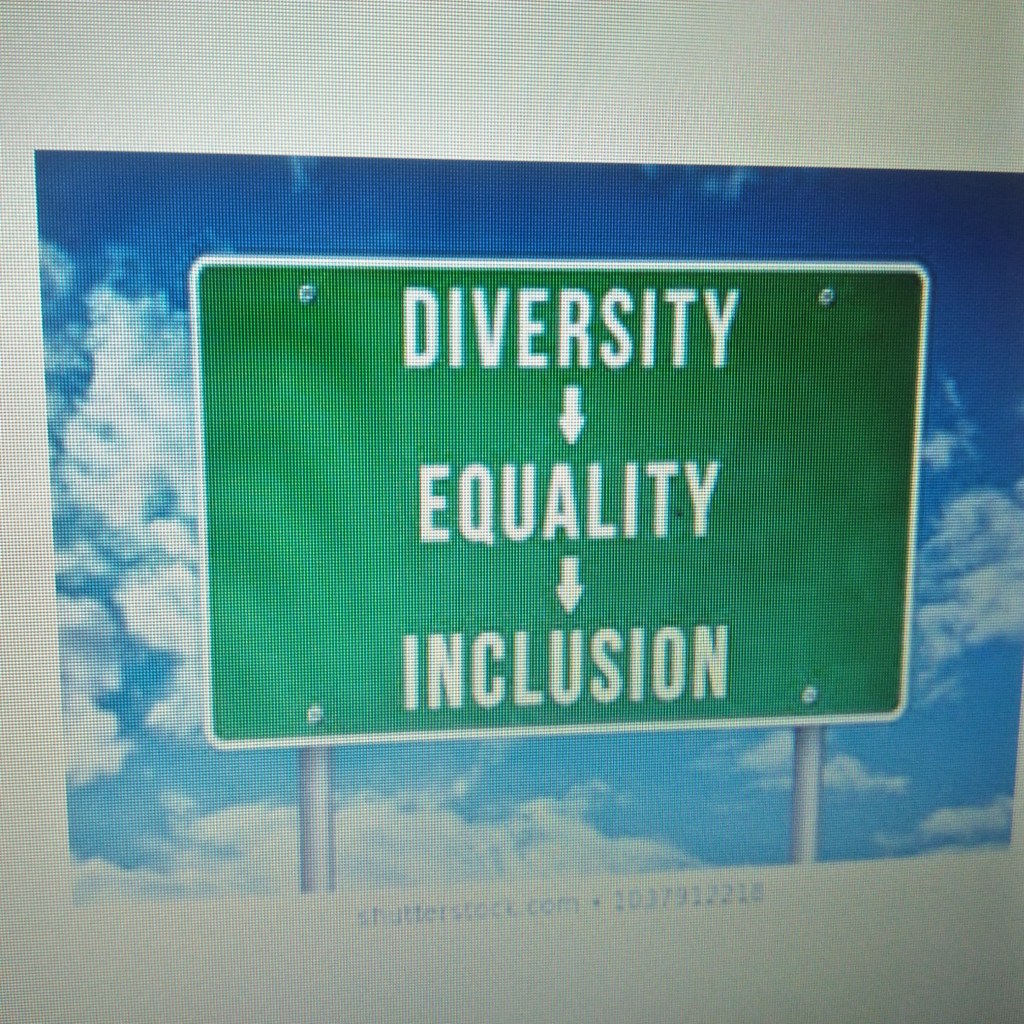
But often we human beings often forget that the worse forms of brutality in this life is often not physical violence. Can I shock you though that as sad as the above examples sound, the worst form of human brutality is that one of not fully embracing diversity and inclusion-an area where we are all guilty of ,aren’t we? I know I am…and the question here is not whether it’s whether consciously or unconsciously. I am not sure about you but growing up how did you like it when your parents used words to “tear down your confidence” by using words like “you are as stupid as your mother” Ouch this really hurts, doesn’t it? Or our teachers who in front of your crowded class of +30 classmates asked you a question in an chapter you had not studied well the previous night and quickly ridiculed you back by labelling you “you cabbage will never amount to anything you good for nothing”. It’s one thing to get over an irritation that hurts most. I know these examples sound as ridiculous as they come but the pains of the past labels keep most of us tied up in bitterness towards those who hurt us and as much as we may not think about them now and might have moved on and succeeded in our lifes despite these hurts and nasty negative labels, the best thing we can do now is not only to forgive with grace but also being deliberate about not making same mistakes by embracing diversity and inclusion boldly in our areas of influence! A world without diversity and inclusion is not only annoyingly boring if not disappointing but a brutally betraying retrogressive world!
What really is Diversity & Inclusion? Diversity is the full range of ways a person can identify with. When we say diversity in the workplace, the idea here is that our companies reflect the diverse communities we actually serve. Diversity has many facets including race, ethnicity, gender or gender identity, age, religious affiliation as well as sexual orientation. But diversity isn’t always something we can measure or see. Diversity also includes people with differing educational backgrounds, personality types, cultural references, work experiences or physical abilities. Inclusion on the other hand is when every single person in the workplace is valued, heard, respected, empowered, and feels a true sense of belonging. Let me quickly insist that as an employer just verbally saying that you value people does no good to any one infact this is what I call sheer “lip service”! Valuing really means appreciating the value people add to your organization by physically rewarding them in monetary terms and in merit based competitive performance reviews as well as equal pay for equal work done regardless of their gender diversity (not just praising and deliberately rewarding your personal favorite staff alone, you all get it now? I pray so). It goes beyond tolerance to actually celebrating and elevating every person in the room.
In my opinion therefore Diversity is inviting everyone to the party but Inclusion is being asked to dance shall we? After all if you love life and music like I do you will agree what’s the point of inviting people to a “parte-after-parte” with a top DJ with some good music and not letting them dance? Inclusion for me means equality and in my article this week I am specifically referring to equality of business opportunities which also means involvement in decision making processes. For those of us in corporates, our employees come from very different backgrounds and have a wide variety of life, cultural and work experiences no wonder diversity and inclusion has become a hot topic in corporate conversations these days. But without putting equity into the equation i.e. equal pay and equitable leadership and advancement opportunities (in particular for women, our talented youth as well as people living with physical and invisible disabilities), then Diversity and Inclusion efforts become pure lip service at worst, and most definitely not sustainable. Recognize the value of different perspectives, encourage employees to be their true selves and work toward full organizational equality is key.
While there are many conversations happening about diversity and inclusion in the workplace, few of them focus on what companies can actually do and the how to implement inclusion at the workplace. Without clarity on why diversity matters for businesses, it’s no surprise that many of these conversations feel unproductive. Even for those having the conversations, it’s often difficult to take action into execution stage. A study done found that while 60% of men at startups believe that diverse teams are better at innovation and problem solving, only 41% supported company-wide hiring practices aimed at increasing diversity. I think it’s time we talk about diversity in a way that makes it approachable and actionable. Without identifying this, diversity is a goal than can seem abstract and utopian. Clear reasons will result in actions that can be prioritized and impacts measured.
Diversity is by no means not the end goal, but a means to a more inclusive, more just, and more effective workplace. It’s becoming increasingly clear that having a more diverse team creates a better company. Creating a diverse team can’t be done all at once, so we can only accomplish it by breaking it into granular actionable executable pieces. Identifying specific strategic themes that are aligned to your vision can help promote work diversity and show the impact in your company’s bottom line. Here are a few areas that resonate with me:-
a) Revise more inclusive hiring processes focusing on diversified hiring process can inspire changes in how you evaluate potential employees. If any step of your hiring process disproportionately cuts out marginalized groups (e.g. expectant women, young inexperience youths, people living with disability-PLWDs) you’re probably doing something wrong. Adjusting your internal processes to be as inclusive as possible will lead you to be more deliberate and conscious about how you assess potential candidates, and improve the quality of all your hires. A big shout to companies that have recently started using more inclusive terms e.g. “Women, Youths and PLWDs highly encouraged to apply” in line with Government Procurement Opportunities (AGPO) program which was founded in the Constitution of Kenya,2010 Article 227 on the fair equitable, transparent and cost-effective public procurement of goods and services as well as 2010 Article 55 on affirmative action and the public procurement and asset disposal act,2015.Considering what’s going to make your team more diverse helps you deliberately tweak your hiring process to ensure that your new hires complement your already existing teams. I highly commend and applaud our Vice President of IT in my workplace who when he came in 2018 realized that we had very only 1 female working in our IT department. As we speak we have been very deliberate and attracted 4 highly skilled female staff in this heavily male-dominated space. https://agpo.go.ke/pages/about-agpo
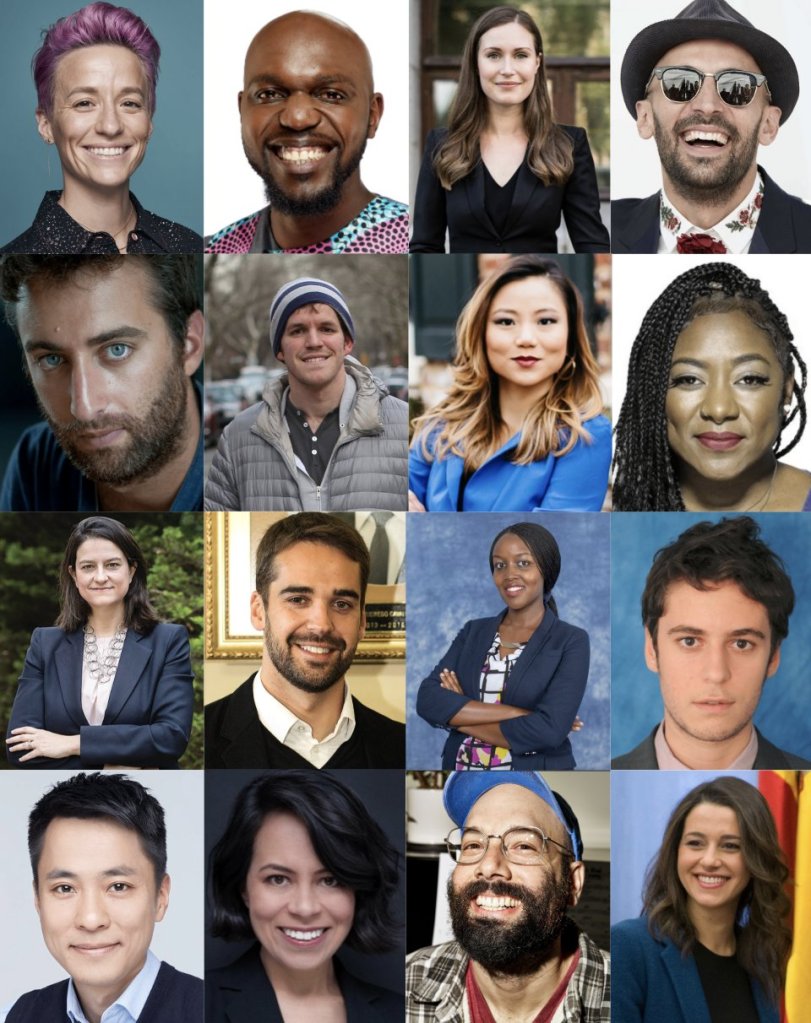
b) Attract more people Diverse groups are a sign of a healthy, innovative and inclusive culture. Prospective employees really do notice your company make-up when they’re deciding where to work. They’re looking for what feels like a place they can fit in, even if you don’t hear them say it explicitly. So if you want to the so called “employer of choice” in your sector then diversity and inclusion is a must have in your company agenda
e) You can’t fake it Hiring from marginalized groups simply for the sake of diversifying your company is unacceptable and very insincere. No one wants to get a job because they have had disadvantages, and no one person can be diverse in isolation. People deserve to be recognized for their potential contributions and how they will contribute. Carefully identifying what you want can change how you interview all candidates. Can you test for all the things you’d like in an interview, and are you doing that yet? There are lots of valuable skills beyond technological skills, like user empathy and product sense—many of which are even harder to teach. There should be belongingness in inclusion, there is growth in diversity. We should all encourage and enable our employees to bring their true selves to work (not the fake hyped self).
c) More welcoming workplace Being a part of a minority or marginalized group in a non-diverse workplace can be very lonely and isolating. For example, 10 years ago i used to find it very awkward, really distracting when I was the only African girl in a conference room full of “macho” men but of course with time -10 years later I totally love it now. Diverse companies let their employees’ direct energy toward being their happiest and most productive selves. Let’s never perceive our differences as barriers but as opportunities to learn, experience something new, let’s be tolerant and empathetic.
d) Spark creativity and empathy Diverse teams bring the collection of their collective experiences and are less likely to practice “yes mom, yes sir” boring group think. For us in customer-facing product development departments, it’s important to have a diverse team that represents the people that you serve. Diversity drives customer-centric, creative innovative solutions allowing them to have their “skin in the game”-of taking full ownership of the success of their product development process to the end.
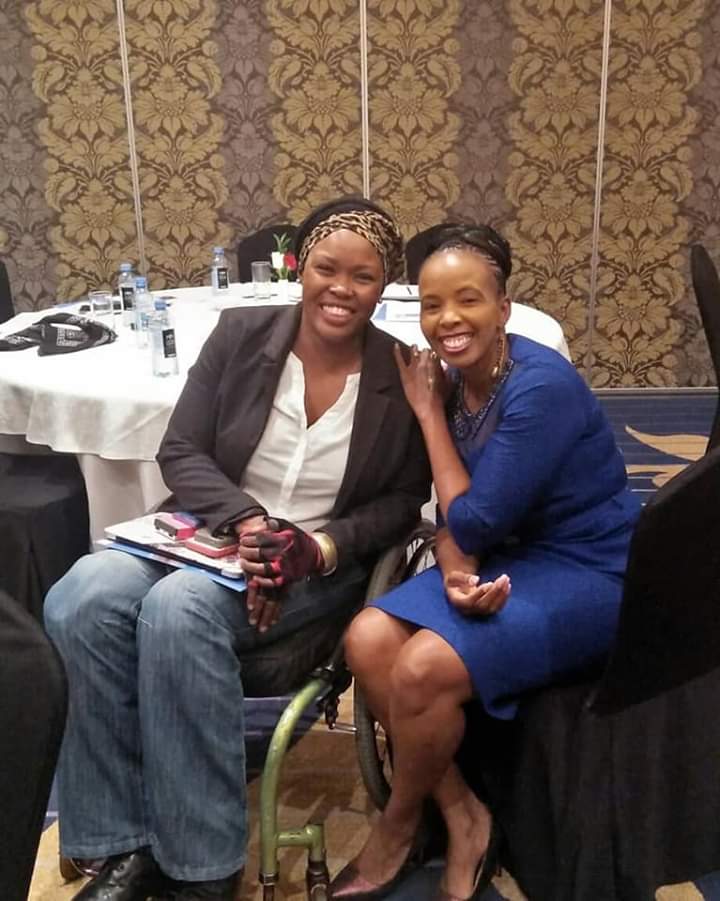
f) Get internal support It’s vital to get the whole team behind diversity and inclusion. Start by simply sensitizing your teams internally of the simple unconscious biases that exist and demystify those first, let them take ownership by pledging to take “baby steps” to change the narrative in their respective areas. Otherwise, the work falls to whoever feels most passionately about it, or worse, to those perceived to be the most passionate about it, often by their own minority status. Executive support is especially crucial to show, without ambiguity, that diversity work is on par with the rest of scheduled programs. The most important way a company can recognize that working towards diversity is vital and long-running is to hire a full time diversity lead or champion. If you’re not ready for a full-time role, start with a part-time role, either in HR recruiting or in business. This is how many companies globally have done it in line with Sustainability Development Goals (SDGs). It’s exactly how Statestreet Bank and being part of the pioneer in their employee diversity work-streams that we developed from scratch and am really excited to see the program thrive over 10 years later even after I left the organization thrive and the impact it has had on over 30,000 employees globally. “At Statestreet, we made it a priority to ensure that all of our employees feel their identities and experiences are represented, embraced and celebrated regardless of their differences” https://www.facebook.com/StateStreetCorp/videos/495407971044664/
Call to Action from why to how –Without that mental shift, it will forever remain unclear how diversity should be prioritized inside a company when other social justice issues aren’t. I have personally found that making business cases for diversity in my areas of influence have converted me into a Diversity and Inclusion ambassador and very vocal natural advocate of the same. I went from thinking that diversity was something I wanted in my Kenyan community, my estate, the market place and at my workplace to realizing that investing in diversity is part of investing in a sustainable company built to last. Investing in diversity builds and grows the strongest innovative possible team—and finding the details of how to invest in diversity can let you get that work done!
We are living in challenging and uncertain times right now. Unprecedented change is happening on a daily basis for businesses, communities and individuals alike and the amount of coverage and opinions can feel somewhat overwhelming. But one thing is for sure: inequity is rife in our society and we need to pay attention and adapt accordingly. With COVID-19 disruption there are golden opportunities to rethink towards being a more adaptive inclusive society. As leaders readjusting your sail to reap the benefits presented in this new normal we find ourselves in, the future survival of businesses is in diversity and inclusion which is the epitome and the mother of all innovation from other individuals who are wired differently from our same old traditional norms. Build your awareness to perceive inclusion, not as a charitable opportunity but rather a necessary part of every organization’s innovation and relevance. The broader the scale of inclusion, the more powerful an organization’s influence and impact will be during this new age, where workplaces are evolving from physical spaces to states of mind. Inclusion and diversity is not just about policies, they are a core part of the values we uphold —and how we live those values every day. Inclusion is a precursor to an organization’s edge, and its adaptive capacity to deal with rapid change. Like never before, the effectiveness and uniqueness of the perception of an organization’s people has become its crown jewels in today’s new digital economy. Inclusion is no longer affirmative action. It is necessary action, it is a basic human right. Look out for my next articles where i will be discussing a topic am super passionate about “Diversity and Inclusion in all matters Women in Leadership”!
We all know that globally women are bearing the brunt of the damaging effects of the COVID-19 pandemic in Africa. Whether it is as health care workers – of which they comprise the majority of – through extra family and child care responsibilities with all schools shut down now; as the majority of low-paid and informal sector workers across Africa losing employment, or enhanced risk to gender-based violence; women are exposed to greater challenges and risks as a result of the COVID-19 pandemic. We shall explain how African businesses can play a role in supporting women during this time? What kind of inclusive interventions companies make to address the unique challenges women face and continue to face long after COVID-19 pandemic ends?
Until then let’s walk the talk in matters diversity and inclusion and this starts right here with you and i! The late Bob Collymore, Wangare Mathai, Steve Jobs and Albert Ernstein were those guys that fearlessly influenced inclusion in their areas of influences! Will you stand to be counted like them by being an agent of change? I look forward to reading your posts sharing exactly how you are impacting in your area of influence to a more inclusive world.
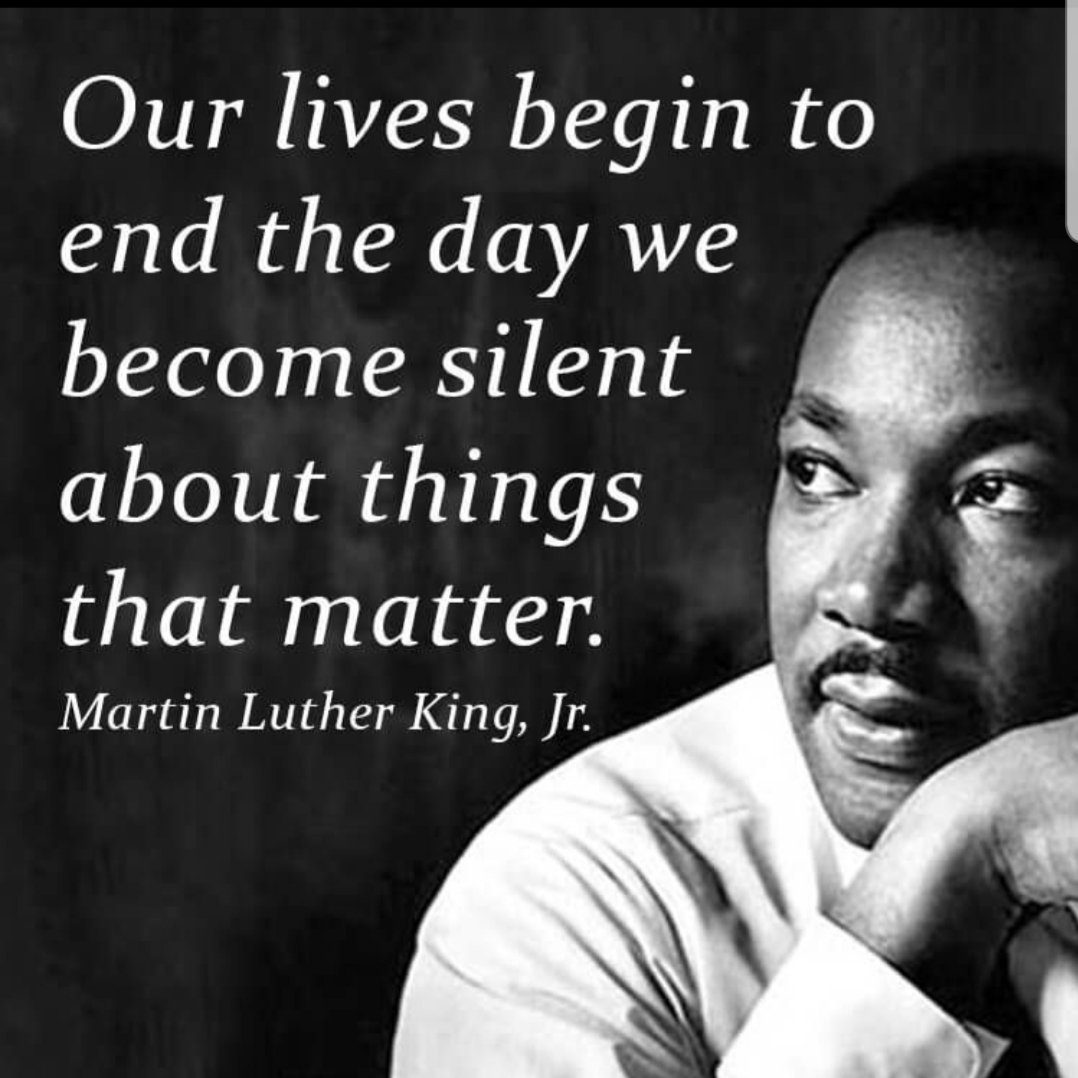
 Fearless Leadership