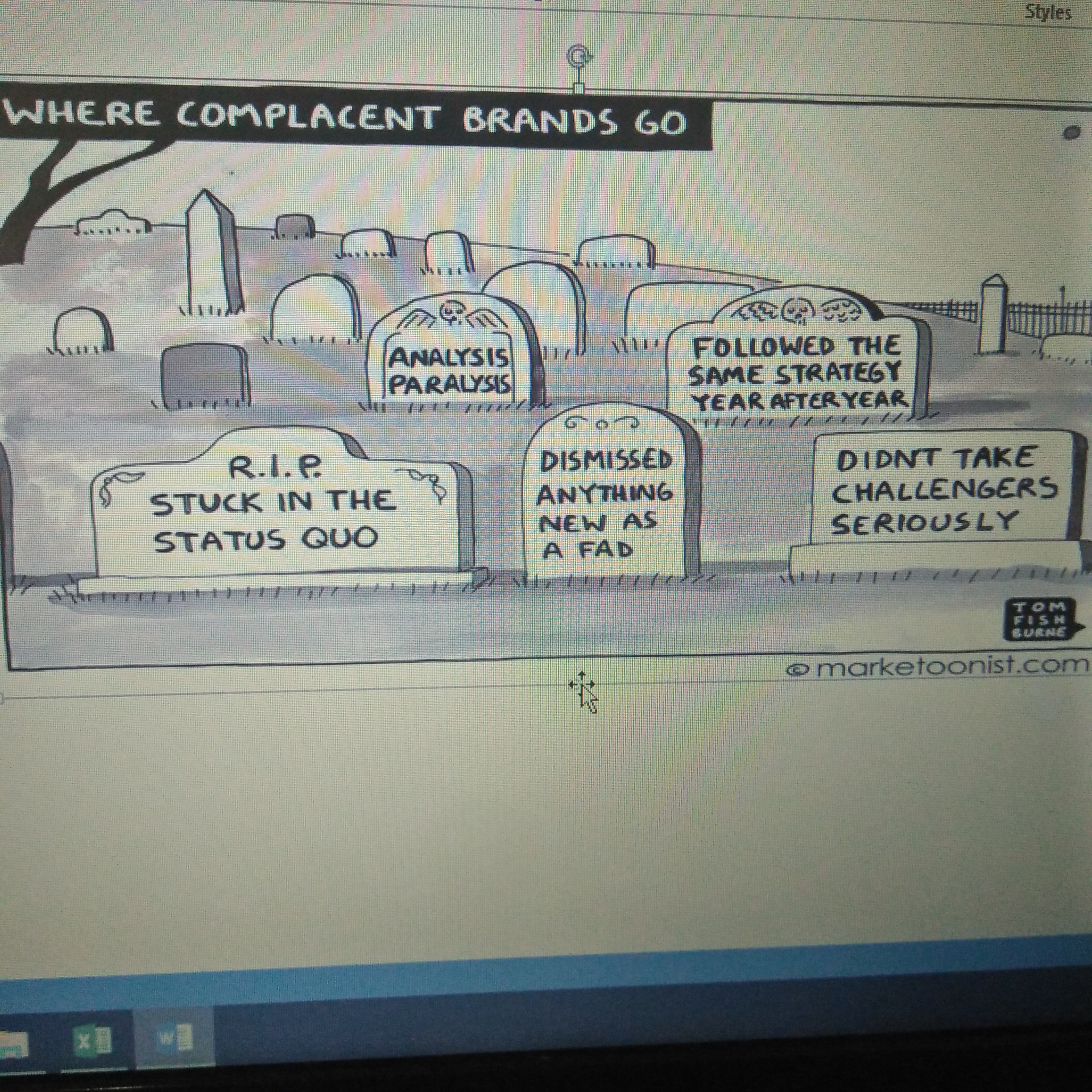
The richest place on earth is the graveyard

so really it’s just how my maker created me and I unapologetically simply appreciate how he did it because the holy bible in Psalms 139 verse 14 always remind me that “I am wonderfully and fearfully made” so I simply “do me” because everyone is already taken. No wonder research shows that us extroverts think out loud and are often more comfortable ad-libbing and speaking off the curve. Being in the company of others and participating in fun group activities is super refreshing for us extroverts (of course as opposed to sitting down by ourselves for hours to write which is a tall order). This is the exact opposite when it comes to writing -I simply “deslike” writing with all my heart!  Infact I was super sure that the day I will dare myself to start writing I would hire a professional writer to just listen to me speak then I would pay him or her to get all the writing work done for me. Crazy isn’t it? But guess what….somehow by God’s grace and his mercies that indeed endures forever more – this year I took the daunting “Fearless Institute Challenge” of facing my “writing giant” head on and started blogging at least twice a month since January 2020.
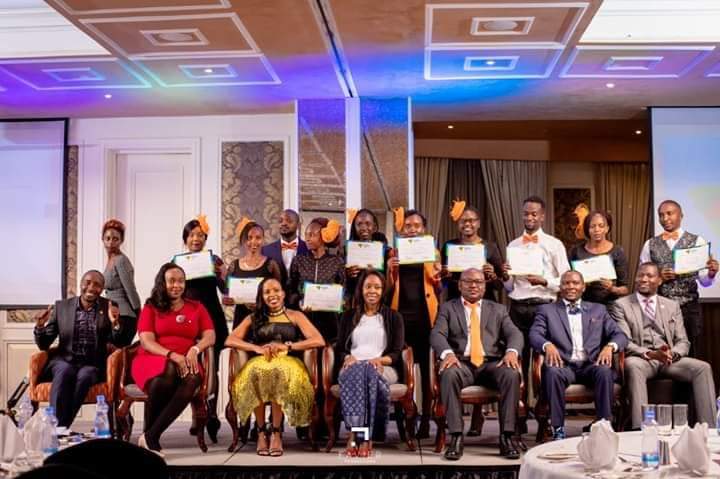
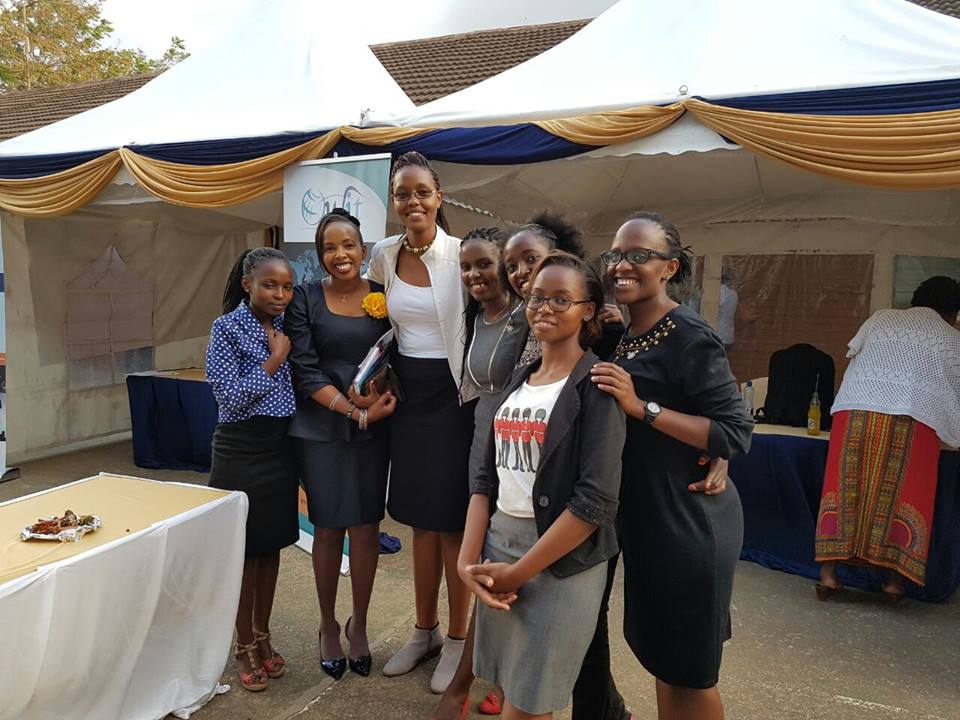
Youth Mentorship for young students from informal sector

As controversial as this topic sounds, I will be the first one to confess that if I didn’t dare myself in 2020 this writing dream would sadly have landed in my graveyard untouched. Many of you who know me too well know how much I love ad enjoy talking which explains why i make one of the best motivational speakers and mentor. My audience always say that once I get a hold of the microphone, people always have a hard time speaking after me as well as the MC-time keeper because speaking is my beautiful gifting from the almighty God, it comes naturally to me and I am super grateful to God for it….i was literally simply “made to speak”!  Being an extrovert makes it even worse because we often think by talking things out through with others. I also happen to be a “people-person”(https://diasporamessenger.com/2015/03/meet-the-chaser-margaret-kimani-the-people-person/#:~:text=Meet%20the%20Chaser%2C%20Margaret%20Waithera,with%20over%2010years%20banking%20experience)

One of my all-time favorite mentor is the late Dr Myles Munroe who was the founder of the Bahamas Faith Ministries but more importantly he is remembered as a writer, a preacher, a thinker, a leader, publisher and renown highly-sought-after motivational speaker. Funny enough he was also the first person ever to publicly dare me to start writing blogs and books which I have shyed away for years! Needless to say his motivational speaking game was second to none and indeed when I “grow up”’ i still want to be as eloquent as he was. For those of you who were so lucky to have met him in person like I was a couple times in the United States of America, you will totally agree with that he would never ever finished a sentence without stating the fact that the richest place on planet earth is sadly the grave! And his reasoning was pretty simply the fact that so many people go to the grave with so many life regrets, with so many unaccomplished dreams, well choreographed vision papers, many great life changing ideas that they never dared to execute while they were still alive! The first time I met the now late Dr Munroe and I heard him state those words my mouth was wide agape staring at him thinking to myself like “say what now dude and why the grave of all places?” but the more I listened to him the more he made unbelievable sense to me as my “blonde-eyes” then and mind slowly started to open and see what he really meant!  How sad and ironic is it that so many of us God has graciously given us such precious -rare gifts, talents, brain capacity to dream big while still alive yet all these beautiful natural gifts and brilliant ideas all end up rotting with us in the graveyards unrealized and totally untouched?
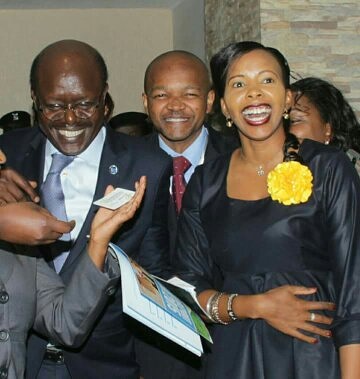
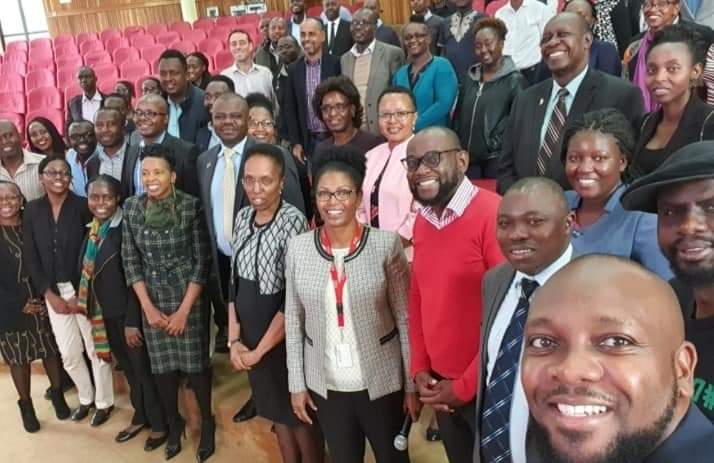
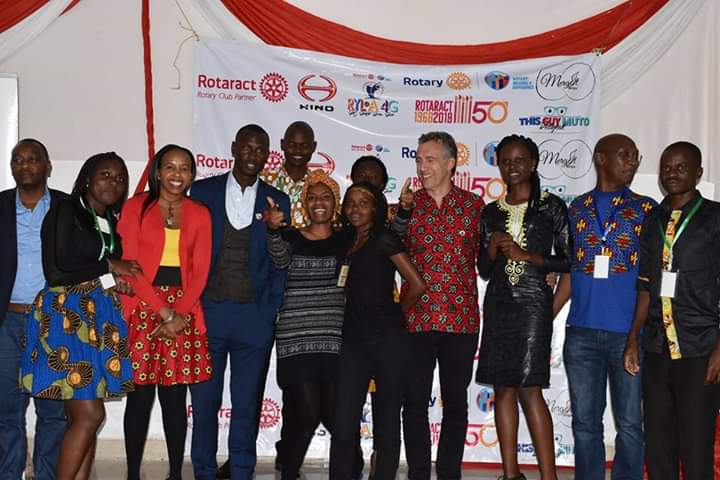
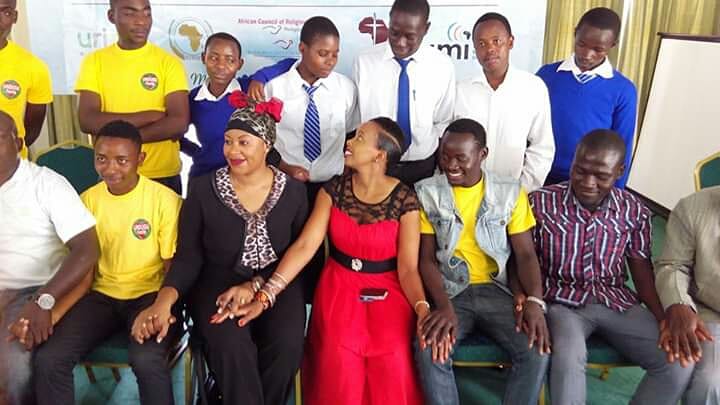
With fellow leaders who are passionately #MAD aka Making A Difference

But Dr Munroe in his majestic eloquence politely continued to explain to Jeff that “buried in the cemetery are books that were never written, music we have never heard, paintings no one has ever seen, the graveyard is filled with poetry never read, the cemetery is filled with businesses that never opened, also inventions we have never used, the cemetery is filled with great women who sadly died as prostitutes, great men who died in accidents as worst alcoholics, rapists and as drug addicts,….i mean it’s a rich place Jeff”. Knowing Dr Munroe too well I see a big piece of me in him that it’s impossible to shut him down when he starts speaking on things he is madly passionate about! So even before Jeff could respond or ask him any other question, Dr Munroe continued with even more eloquence and he said “and that’s why I came to Kenya!

The late Dr Myles Munroe’s last interview on Jeff Koinange’s Live Show

I came to Kenya Jeff because of the cemetery…because I knew Jeff that the audience watching me on TV sitting in their house right where you are and sitting right in this studio, there are people who are the next candidate to add to the rot of the cemetery! Jeff you wrote one book, there is ten books left!” and as Jeff sighed, the shocking expression on his face “was to die for” as listened to the all-time most influential bold man on earth I know. Like that was not enough Dr Myles continued “Jeff if you die now the cemetery will have robbed us! I came to Kenya because I want you all to rob the cemetery, I want you to die empty folks! I want you to die with nothing else left to do! I want you to die because you poured all of your dreams, music, publications, visions….and to die empty because that’s the goal of life! Don’t die old! Just die empty!

              Mind you the few times I attempted to write even a one paragraph, I simply run out of content, our of grace, energy and my enthusiasm naturally died a natural death to an extent of my brain literally locking what many refer to as “a writer’s block”. But the most beautiful thing that never left my mind is that when Dr Myles Munroe last visited our beautiful country Kenya (which was also sadly ironically before his plane crashed in the Bahamas), he somehow remembered me as he autographed the management book I bought from him and he looked at me straight in the eye with his forever shining bold smile and reminded me to not only to write my books but to publish them! I looked at him, smiled back and I wondered whether he remembered how much I “hated” writing in the first place? That same evening I recall him being interviewed by one of Kenya’s best National Television Anchor Jeff Koinange in his NTV’s JKL Live show and again Dr Myles simple did what he knew best….and you guessed it his very first sentence in his interview clearly started with his usual quote “Jeff, the richest place on earth is the cemetery!” and just like me when I first met Dr Munroe I could see the same rude shock registered on Jeff Koinange’s face as he wondered what and why in hell would the cemetery be the richest place on earth and not the gold mines?
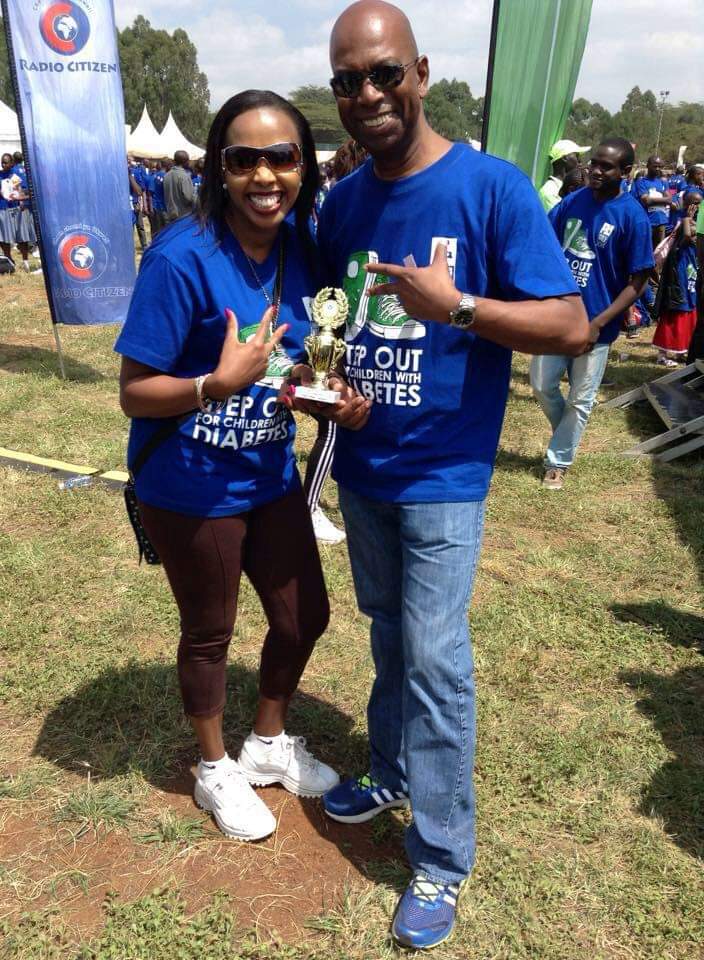
With my Fellow Philanthropist, the Late Bob Collymore @DiabeteWalk to support children

Little did I know I had so much to write about especially topics and matters of national importance that I am extremely passionate about which I am so crazy and committed to influencing in our beautiful African society! Such topics range from Education to Youth Mentorship, promoting Entrepreneurship to solve world’s Youth unemployment issues, United Nations (UN)Women Empowerment Principles (WEPs), Diversity and Inclusion (D & I) especially of persons living with both visible and invisible disabilities such as autism, parenting, servant leadership, Integrity, Fearless leadership towards elimination of the “corruption cancer” just to mention a few. This has not come without challenges considering my busy schedule but at least many of you have enjoyed reading my blogs at least twice a month! Let me also encourage some of you that I too am still work in progress –in life once you deliberately commit and choose to being a student for life like me you never quite consider yourself as having “arrived” which is what makes life such a fun journey(not a destination as we never quite arrive) because every day if you are like me your mind stays open to learning something new from others including our 6 year old daughter Princess Amani and you end up have so much fun discovering new things that makes life worth living!

As a matter of fact Jeff one of the greatest thing that Jesus said on the cross is that it is finished and the guy who said that was only 33 years old (Jesus)…mind you he didn’t say “I was finished” he said “it is finished” So basically Jesus said it is finished on the cross meaning that he poured out all that he came to do on earth.” As the 2 shook hands with a very warm hearty laughter, Dr Myles did not mince his words he again reminded Jeff “Don’t die with my books men!” Feel free to watch one of his last media interview before the crash for yourself https://www.youtube.com/watch?v=YJ7CJvYduq

It’s so funny that on October 24th 2014, it’s almost like during the last TV interview Dr Munroe was simply speaking how exactly he desired to “die empty” little did he know that that those were his last weeks on earth but super glad he actually came for the few of us who indeed took action. His words will always be a daily reminder to me and always; “I want to challenge every Kenyan to go to the cemetery and disappoint the graveyard. Die like the Apostle Paul who said I have finished my course, I have kept the faith and I have been poured out like a drink offering. There is nothing left. I am ready to die. That’s how I wanna die because there is nothing else for me left to die, When you die, die like I am planning to die Jeff. Empty. It’s finished,” Dr Myles told the TV show’s host, Jeff Koinange. And just like the late Dr Myles Munroe, whose reminder will forever stay with me I want to challenge you to book a personal appointment with none other than your-sweet-self and deliberately promise to sign a memorandum of understanding with your lovely self, promising me and the late Dr Myles Monroe that you will intentionally choose to disappoint the graveyard when your time comes by “simply dying empty”.

Remember un-executed ideas no matter how grandiose or awesome they are they will remain worthless. Remember you are not the only think tank in town, this world is full of great thinkers –some even better than yourself who never really do anything with their ideas which finally squarely land heavily in their dying bed buried at their 6 feet deep in the graveyard!   Fearless influencers in this beautiful planet are super thinkers, strategic and awesomely tactical innovators and really damn good at execution of their ideas! They never allow their God-given creativity go wasted into the graveyard! The late Nelson Mandera, Wangare Mathai, Bob Collymore and Steve Jobs were some of those guys who never allowed their ideas lot in the graveyard. Mind you it’s not that these world-class fearless influencers were not always afraid to fail in their pursuit to changing the world but truth be told boldness is genius by itself and it comes with power, infinite possibilities and magic especially when the dots finally connect! That’s why Steve Jobs used to often say “You can’t connect the dots looking forward; you can only connect them looking backwards. So you have to trust that the dots will somehow connect in your future. You have to trust in something – your gut, destiny, life, karma, whatever!” Let’s be honest sometimes you do something out of sheer curiosity and interest without really knowing how it will help you in the future. But in a few years you come to know why destiny pushed you to do that particular thing. While explaining this quote Steve Jobs during one of the graduations gave the example of his obsession with Calligraphy and how he learned the calligraphy for the sake of his own curiosity and interest, but when he was making the famous Mac he put calligraphy for font,-writing style in it. I can give my own experience a few years back the Financial Economist in me dared to read this awesome book called “Day to Day Economics” to refresh my economics (and speaking of Economics…a big shout out to my all-time best Economist professor back in Kenyatta University Mr Shapiro Wawire…I will forever owe it all to you good sir) .

That book cleared and clarified all my concepts about inflation and budgeting. While I was analyzing our country budgets this book helped me in understanding each of government’s move more soberly and why fiscal deficits should be less and how it affects the entrepreneurial ecosystem, economic growth and prosperity of a nation.
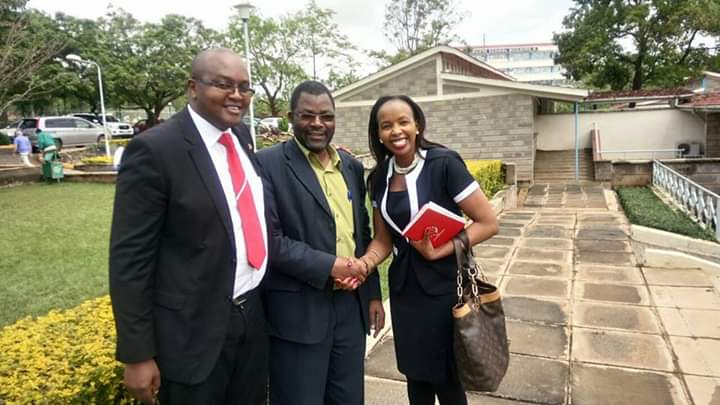
Honoring our Best Economist Professor Wawire @Kenyatta University

So friends may we purpose to live meaningful lifes doing what matters most on this beautiful planet earth which is executing our God-given ideas into real actions. Let’s be very deliberate to jump-start our commitments around executing those ideas, the many innovations that you have been shelving and holding back in your minds for years like i was. Do not let procrastination hold you back any longer and just like I dared myself to start writing this year, may i challenge you not wait for that perfect timing which I can guarantee you there is never a perfect time to get started other than right this very minute, so start now!  My prayer is that this blog refreshes your unique ideas that are almost expiring in your mind for lack of execution for years, bask in glow of the potential that your imaginative innovative ideas have the potential to providing solutions to world’s major problems! What if I told you that your imaginative thoughts that you have been shying away from executing have the ultimate power to improve millions of livelihoods for malnourished children somewhere in Africa or another country or that that trash recycling idea that you have been so afraid to action will indeed provide “green-job” opportunities to millions of our idle unemployed desperate youths in Africa as well as reduce carbon pollution which is killing millions of sea animals with cancer-causing pollutants? Gather your courage and search deep down within your soul, be bold and purpose to cultivate the necessary discipline to do whatever it takes to execute your ideas into reality or else if we continue with business as usual procrastination, the graveyards will continue to be the richest places on planet earth!  
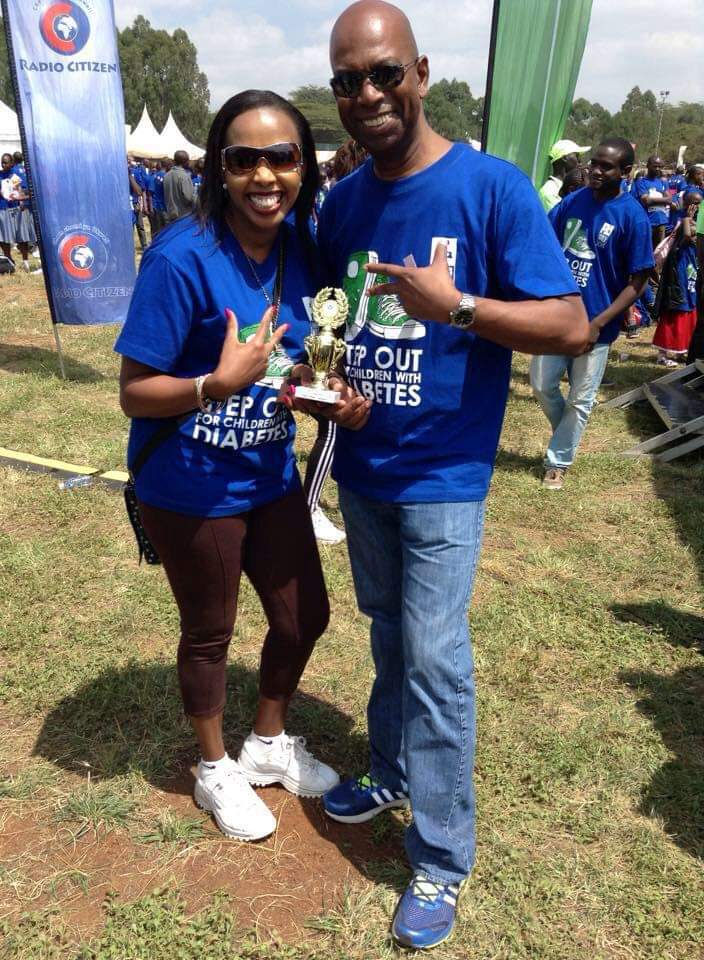
The Late Bob Collymore, my fellow as

Life is too short folks no one of us knows our exact official exit day out of this planet the only thing we know is the date we actually landed into this planet(birth dates). Benjamin Franklin once said “Never put off till tomorrow what you can do todayWe live on this speck called Earth think about what you might do, today or tomorrow – and make the most of it because just like you I too don’t know the exact date my last day on earth is. Sadly just like Dr Myles Munroe who was in Kenya for a series of motivational talks for about three weeks believe it or not he did not make it back to beautiful island of Bahamas and he sadly died alongside nine other people including his lovely wife and daughter in the Bahamas. Luckily the 60-year-old legend and my all-time best favorite mentor indeed was deliberate about “his dying empty” pursuit and indeed lived by example so he had successfully published more than 100 spiritual and inspirational works and was a government and business consultant to Fortune 500 businesses. He had travelled to over 130 countries to inspire people transforming their ordinary lifes to greatness like he did transform mine totally. A total of 49 of his books were his best sellers…yeap I said over 49 of his books were nothing but best sellers. I too have read many of his books –then passed them on to my mentees’ which range from Understanding the Purpose and Power of Woman, Understanding the Purpose and Power of Men and The Most Important Person on Earth –these are some of his most popular titles among book readers.

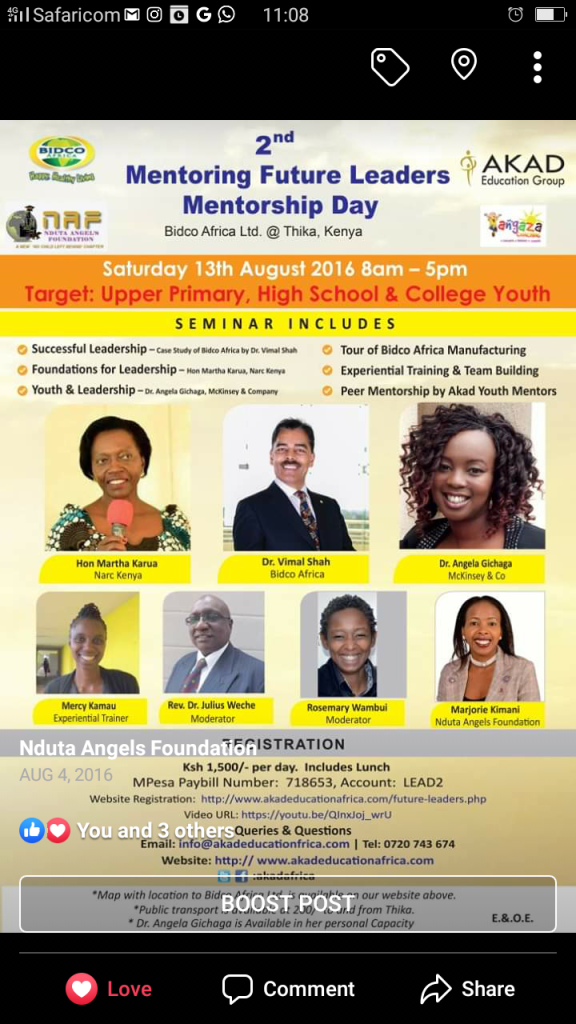
I often joke with my family members who I love and cherish dearly that in my funeral I will not want to hear anyone mourning or crying over my death! I absolutely agree with John Waire who stated- “Long after I’m gone…it will become abundantly clear that I left my heart behind.”  And the answer lies simply in the fact that just like Dr Myles Munroe every day of my life I purpose to live the best version of me by executing the ideas God has so graciously laid heavily in my “small gadget upstairs”. And while executing these God given ideas I am always very deliberate about meaningfully impacting lifes of those around me. Dr Vimal Shah (one of East Africa Community’s industrialist, Chairman of Bidco Africa who i am so privileged to work with to mentor hundreds of our Young students from humble backgrounds during the school holidays at his Thika factory) always remind me often that him and few of us were indeed born MAD -an acronym for “Making A Difference” …As an agent of change I am very deliberate in my servant leadership journey to always try and positively influence the thinking of especially those around me, those working below me and every other “change resistant” leaders around me regardless of our ranks. This is very important because everything starts and ends in the our brains and our minds.
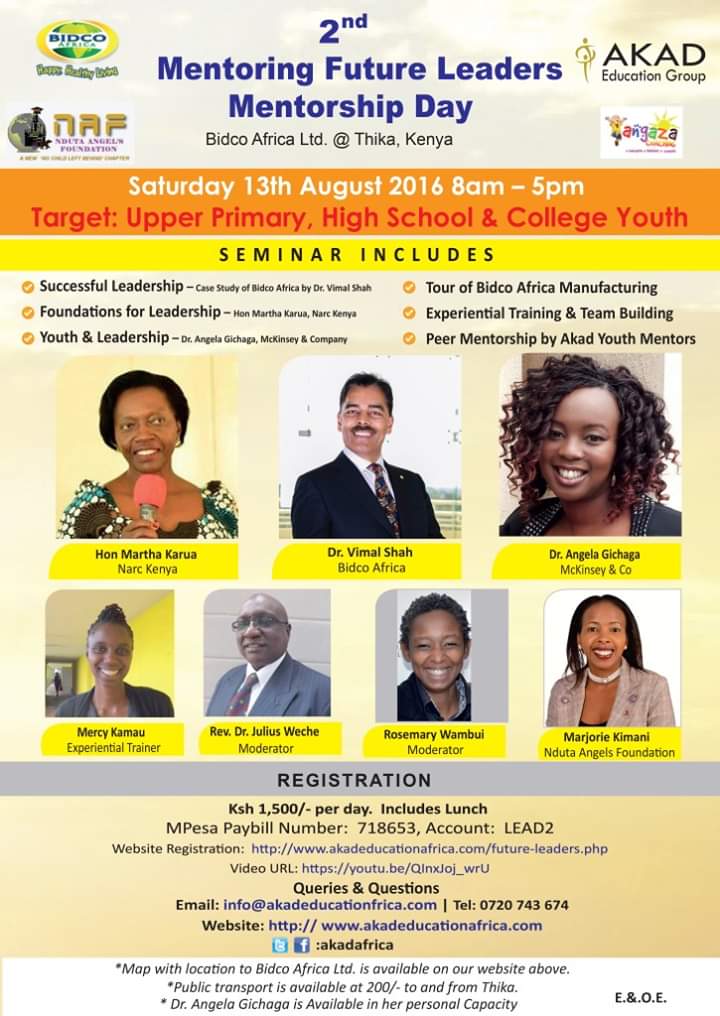
#MAD Mentors for us simply means #MakingADifference

Leadership is a mindset that shifts from being a victim to creating positive results and life-changing solutions. I am notoriously known for fearlessly and un-apologetically daring influence mediocre policies which I come across and especially those that I feel are not inclusive or do not value every member of our society! I believe our minds are composed of a flexible matter or a flexible mirror, which we can all simply adjust it to see a better world. Once your mindset changes, everything on the outside will change along with it which includes moving from ideation stage to actual execution. This is the same with happiness which starts right with your mindset, not from outside circumstances. Like i always say indeed happiness is an “inside job” simply because it also starts right in your mind and you cannot give what you yourself don’t possess. Remember powerful self-affirming words have the ability to quickly shift your mindset from dreaming to action-the same way they can change your negativity to positive thinking. As controversial -highly debated his life and death are in equal measure, am often inspired by the late legendary “King of Pop” Michael Jackson who pushed boundaries to extra ordinary dimensions in the entertainment industry. He added levels that never even existed and no wonder he he is regarded as one of the most significant music cultural figures of the 20th century and one of the greatest entertainers in the history of music due to his love for music which he surely did not allow to die with him as a mere idea gone wasted in his cemetery! He instead actioned his creativity and his music gifting and he ended up inspiring hope to many through his music which was his God-given talent. MJ and his “moon walking moves” still remains magic to many of our ears long after he is long gone especially his “Thriller” album. He rocketed to global stardom in the early 1980s, but his legacy as the King of Pop is based on more than the height of his career.His music will live on forever –and one of my all-time favorite song is most definitely “Heal the World, Make it a better place, for you and for me and the entire human race,as there are people dying, if you care enough for the living, make a better place for you and for me….”

Until we meet again folks, purpose to not let the graveyard rob us off your unique golden ideas by executing them now and let’s all purpose to simply “die empty”!
Why Diversified Leadership that involves Women Wins Medals especially during crisis?

By early March 2020, all leaders across the globe were for once “equalized” and were all glaring at the same reality check of life-changing events– that an “invisible”, unpredictable, highly contagious, deadly and dangerous enemy(COVID19) was fast approaching and spreading in a fast and furious way that they themselves in their “own might” could not control. Even with an aggressive public policy responses in China the virus still managed to spread to other parts of the world…including Africa where initially some hilarious comical Africans were making fun of how their “popping melanin goodness” would indeed scare if not defeat Coronavirus. Oh gracious me, isn’t it funny how human beings find humor even in very serious, scary life threatening issues. But the question here is so what did global leaders of organizations, cities, states, countries faced by such an unprecedented crisis leadership test of our times do differently? 

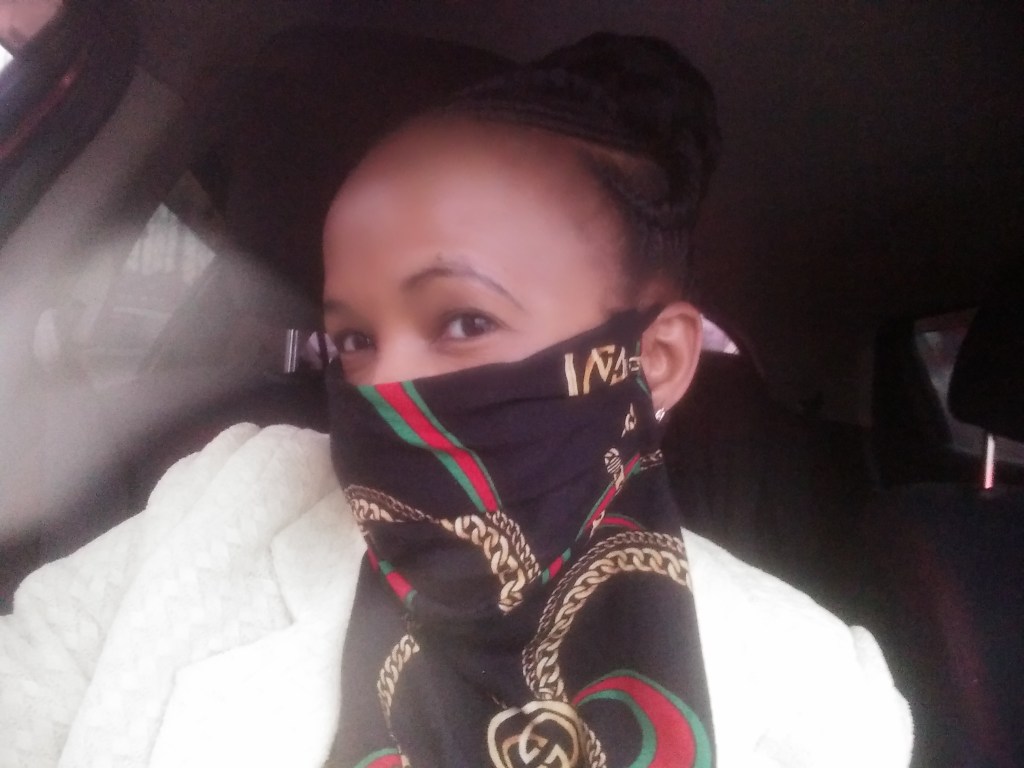
In April 2020 social distancing and wearing a Mask became our mandatory “new normal”

And how did they prepare and respond to this unstoppable enemy because the one unique thing about this enemy unlike other disasters that we have faced before (terrorism, floods, famine, earthquakes, locusts) COVID-19 did not discriminate of any ages, race, continent, countries, gender, religious backgrounds? This is despite the fact that Women sadly make up only 7 % of all heads of states globally; which is heartbreaking in 21st century. Whether we like it or not, the one sobering fact we cannot pretend not to acknowledge or notice with concern is that the global leaders that passed the test with flying colors for that matter are disproportionately Women leaders.
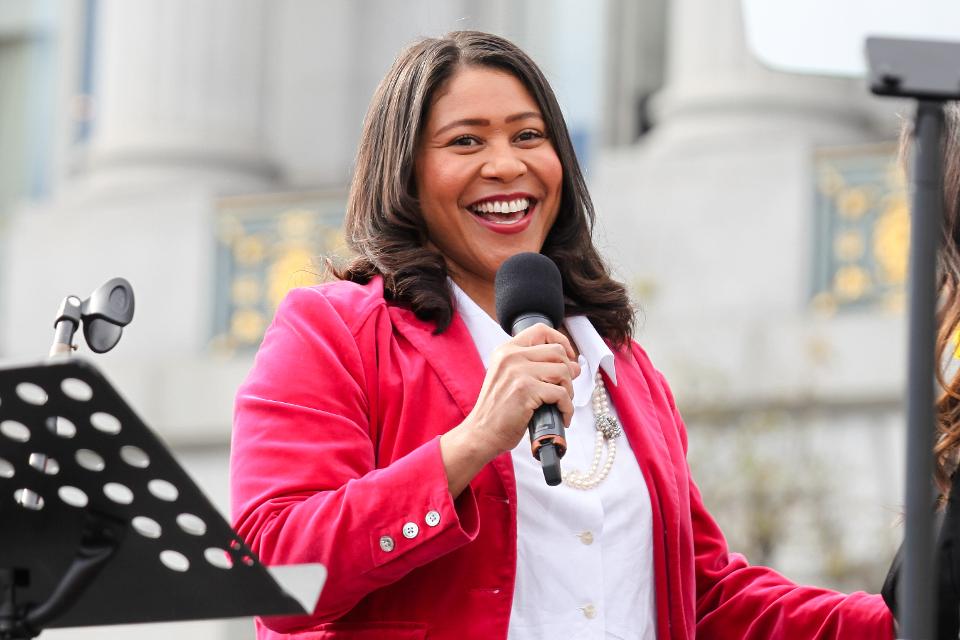
In a way, COVID-19 global mega crisis moment in world’s history offers us as leaders a fascinating and real-time opportunity to understand the consequences of leadership decisions in a high-stakes situation. And this comes down to when governments enforced physical and social distancing directives on the ground. I particularly loved Trish Barrett’s sentiments; (a healthcare executive with 25 years in infectious disease control and 19 years in supply chain and emergency management) who stated that “If you really want to understand an apples-to-apples comparison of whether or not communities have been effective in slowing the spread, you have to look at three statistics. The number of new cases per week, the number of cases per 100,000 people, and the rate at which number of cases per capita doubles.” Since this is a highly debatable topic to analyze, it turns out that when you look at the data that way and three factors emerge as having a significant impact on the spread of this deadly coronavirus disease, and ultimately leading to deaths: a) population density, b) exposure to those who traveled, and c) the date when everything was shut down. Obviously the first two cannot really be influenced by any leader, but the shut-down dates is directly related to actions taken by leaders. Indeed, the number of COVID-related deaths is predicted to be substantially lower in areas where leaders acted sooner even by a week. Barrett further states that “Cities, states and countries that implemented a clear, thorough and well-executed social and physical distancing plan at least a week before their first death had radically and significantly different outcome. By so doing they flattened the curve and significantly controlled the spread and prevented new cases.” I noted with excitement that Women led countries like Germany, New Zealand, Iceland and Finland (all with women leaders) fall into this category. Some states like California, which also acted relatively quickly, the mayor of San Francisco, one beautiful madam London Breed (the first black woman to ever hold that mayor’s office) took fast action days before the governor of California and the mayor of Los Angeles (both men) did.

Beautiful Decisive California’s Mayor London Breed

So these women leaders acted first and made the tough calls and very unpopular move to shut down cities, businesses as they knew it in the face of a truly invisible deadly virus that has no known cure. For those of us who have been lucky to visit California and these other vibrant cities “full of life” you know it takes a lot of guts and real work to shut down such cities! I sought to understand what we could all learn beyond the usual tropes of women being more emotionally intelligent and motherly. And mind you make no mistake, i didn’t think this could be entirely chalked up to their people skills, ability to engender trust and communicate empathetically. It’s not by accident that these women leaders successfully saved lifes and this explains the reason I passionately write this article to lobby and advocate more leaders to include women in their decision making tables.

Let’s for once be brutally honest with ourselves! In any crisis such as war, terrorism or famine won’t you all agree that women are hardest hit? This is obviously the case with the current deadly Coronavirus pandemic which has heavy psychological, social and economic impacts on Women. Even if we consider beyond COVID-19 direct infections, women’s health and safety are at greater risk due to the increased domestic violence and significant abuse which has been reported in recent weeks due to the total lockdowns in some cities, physical isolation, social distancing directives to contain the spread, as well as sexual and reproductive health services access reduction.
Women are borne to naturally nurture so they face an increased burden of care of immediate family members, aging parents and subsequent risk of getting sick themselves in such unprecedented crisis. Women also represent the majority of front-line healthcare workers and caregivers in their respective homes and communities’ globally. This is a disproportionate indirect impact of the pandemic on women’s livelihoods everywhere and with the majority of women working in the informal sector economy who earn a daily living of less than a dollar a day, majority lack health insurance and social security, putting them further at a disadvantaged risk.  While women make up 70% of the world’s healthcare workers and are overall more vulnerable in times of any crisis, sadly they only make up of about 25% of legislators and only 6% of state and government leaders. Ironically emergency response taskforces around the worlds are overwhelmingly male-dominated, as seen for instance in Europe and in the United States of America. To make matters worse, traditionally we have very few women in the media to offer professional expertise on relief and recovery responses.
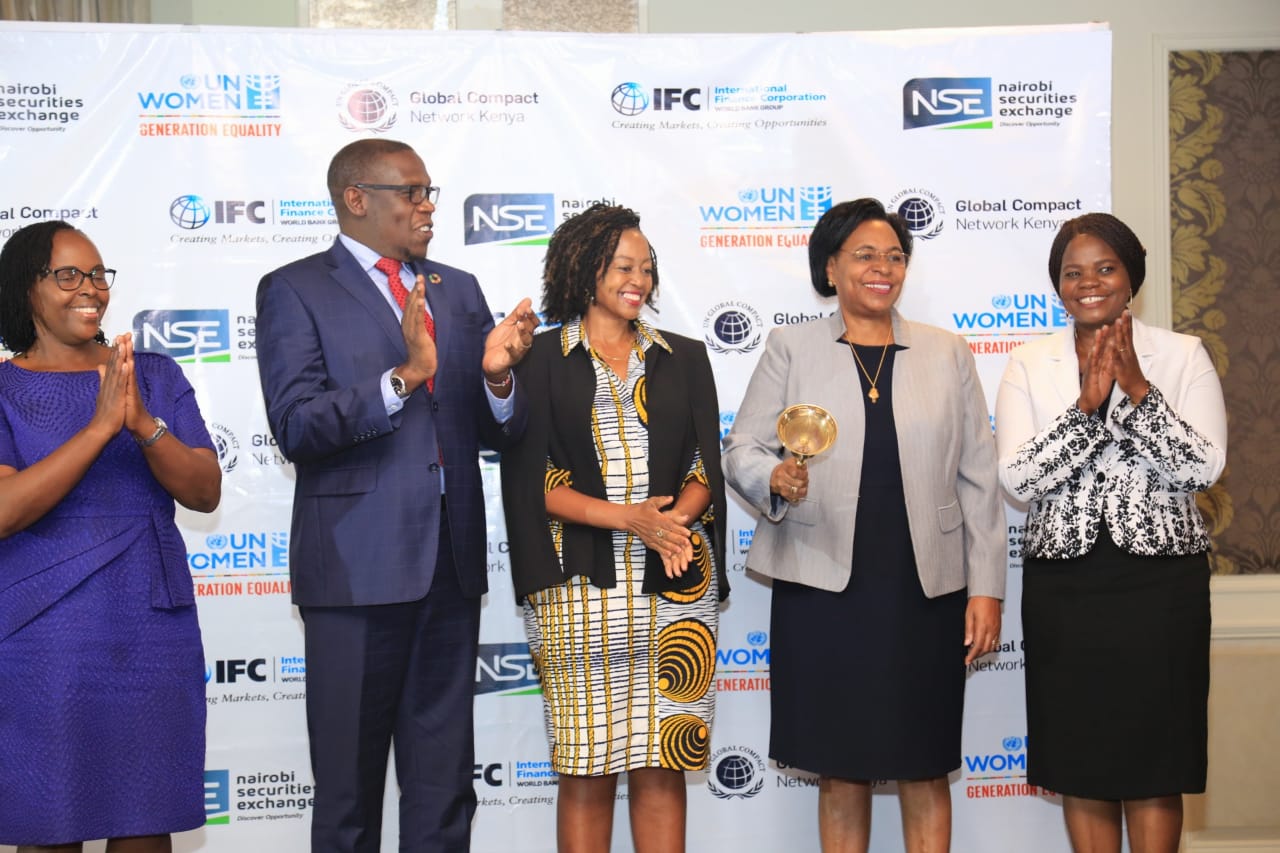
And since we just recently rang the Gender Bell on March 13th 2020-thanks to Nairobi Stock Exchange (NSE) for hosting us to such a noble initiative, UN Global Compact Network Kenya, UN Women and International Finance Corporation and other awesome “agents of change” for mobilizing to have “C-suite high level dialogue on Gender Equality” where we Kenyan leaders in different sectors passionately rung the bell for gender parity in line with the global International Women’s Day 2020 theme dubbed #EachForEqual.

I recall vividly how Nairobi Stock Exchange CEO Mr Jeffrey Odundo passionately rallied male leaders to include more women in their Boards-and with the unified voice that all global stock exchanges add to advocating for equal gender representation on company boards and in senior management as a smart business strategy.

Listening to Mrs Rose Lumumba from International Finance Corporation (my “twin sister” one of fearless female leaders i know- in matters passionate, impactful, purpose- driven- results-oriented gender agenda) during the 2020 gender bell for me was sweet melody to my ears. She started her key note speech by stating that “it is of mission critical importance to have women on boards, women in political and business leadership.” She also shared some well researched mind boggling statistics from International Finance Corporation (IFC) which indicated that sadly women hold only 16.9 percent of board seats globally, only 4.4 percent of global CEO and 5.3 percent board chair positions, and 12.7 percent of global CFO positions. Isn’t it heartbreaking in the 21st century? Since 2016, US companies that have gone public with at least one female board director outperformed companies that had none, one-year post-IPO, according to Goldman Sachs research. This correlation with financial performance is stronger when women comprise a critical mass of about 30 percent of a company’s board. IFC research also demonstrated that listed companies with women directors on their boards outperform those without. Gender is a priority for IFC, and it’s aligned with their mission to drive sustainable and inclusive private sector-led investment in developing countries, creating markets and opportunities for all. As investors IFC understands the value of accelerating the pace of women ascending to board and senior leadership positions and highlights tangible steps that all businesses can take to bolster gender equality. IFC research also highlighted that correcting gender imbalances could lead to important economic, environmental, social, and governance gains in emerging and frontier markets.

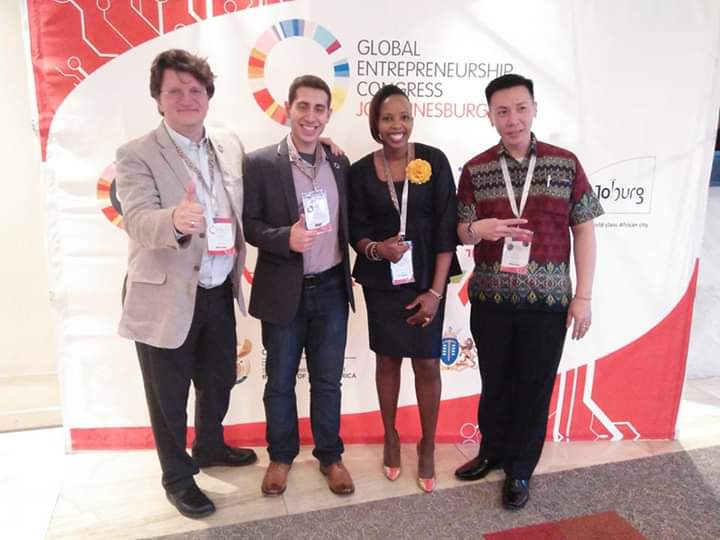
Global Enterpreurship Congress Panel in South Africa

However full representation of the population we lead matters most especially in times of crisis. The ways we respond to the pandemic and its ramifications must challenge democratic institutions in an unprecedented way if the appropriate steps are not taken. With elections being postponed or remote e-voting anticipated even after COVID-19, parliaments closing or online policy deliberations, and traditional print media spaces reduced, women’s voices might be further silenced as gender equality issues often sadly “conveniently” get moved to the back burner. We must include gender-parity perspectives in all decision making processes in government across all sectors to ensure an optimal relief and recovery response without compromising women’s safety and rights hence jeopardizing everyone’s welfare. Gender-sensitive policies that recognize and respond to women’s needs will benefit not just women but society at large. I know I am unapologetically guilty as charged for quoting this phrase often but it’s a fact “when you empower a woman economically-socially-financially, it leads to a happier empowered family unit, which results to safer healthier more community, a better happier healthy nation and of course a better safer productive world”.
More than ever, this crisis has shown that people’s safety and wellbeing is determined by key decision makers, both elected and unelected and we are now more than ever all as vulnerable as the most vulnerable among us. With nearly two million COVID-19 cases and over one hundred thousand deaths deplored, the stakes are too high to ignore women’s voices and the perspectives and resources they bring to the decision making table. The intention of this article is to raise much needed awareness about the lack of women’s leadership and representation in relief and recovery decision-making and on the importance of incorporating gender-sensitive responses during and after the crisis. I invite both women and men in corporate leadership, politics, civil society activists, practitioners and researchers to join this gender-diversity movement.
Like I highlighted in my diversity and inclusion articles last week, we must ask ourselves difficult questions as well as acknowledge that Female leaders:-
Do not suffer from overconfidence-they instead collaborate seeking diverse inputs and often listen
A study by Therese Houston found that, “71% of men reported that they thought they were smarter than the average American, with only 57% of women saying the same…there is plenty of research to show men are more likely to trust their own judgment and instincts when making decisions.” In yet another study, men expressed confidence in their ability to excel as leaders, even when they change sectors and their resume is clearly not aligned with the new industry. Unlike men women are more likely to cultivate a diverse set of advisors and a “wide network” to help them succeed and more likely to pay top-dollar for professional advice and to follow it. This explains why we have many women coaching and mentoring.

Sadly female leaders are more likely to be harshly blamed if decisions are unpopular or ineffective. Women are questioned and “second-guessed” more frequently and harshly which is quite annoying if you ask because I have been there done that! And for these reasons, female leaders know they need more “cover” than men. The instinct to seek advice and listen isn’t entirely because of the need for input, it’s also because people are more likely to accept decisions from women when they don’t stand alone. And I bet if you looked at the pictures of women making announcements right now, they have more people behind them-casing point of our Kenyan health sector space. And regardless of the reason, the ability to know what you don’t know and to listen to people with expert knowledge has clearly served women well right now. Several trailblazing women have indeed explicitly mentioned listening keenly to experts and as they managing the next phase of the crisis. As we all know the only way to save lives is to skillfully act upon the advice of those who truly have the data driven expertise of the evolving science behind the crisis.
Rank higher not just on people-orientation, but also in vision-setting

A study by McKinsey on the essential characteristics of leadership which set out to determine the tendencies of men and women under normal circumstances, and in times of crisis –found that Women are indeed more “people-oriented”—and spend more time developing and coaching other leaders in their organization. Many such studies have shown that women are more focused on building community and teams. Though Sara Laschever (a female coach) found that women unfortunately struggle in negotiating for themselves on topics such as salary and career advancement. She found out that women excel when they negotiate on behalf of “general welfare” or the “common good.” Several gender experts pointed out that it is impossible to know if women are naturally more community-minded or if they have been socialized to know what society expects of them and what is required of them to lead. But either way, unleashing collective potential is a very critical leadership skill. In the same McKinsey study, organizations with more than three women in the C-suite scored higher on employee survey questions about “direction” and “innovation.” Women tend to display (statistically more than their male counterparts) two things during and after a crisis. The first was “expectations and rewards” by defining roles, clarifying expectations, and rewarding achievement targets. The second was “inspiration” by painting and offering a compelling realistic vision of the future and an optimistic implementation plan. “Women are just as decisive as men despite stereotypes reflecting otherwise.” Women also score higher than men on “task orientation” and in solving problems in creative and flexible ways. Women therefore possess the qualities of transformational leaders—vision, inspiration, direction-setting and out-of-the-box thinking—though sadly more often the media in recent press only focused on the softer skills of how they lead. Being “other-directed” and feeling a sense of total commitment to the common good has thankfully been a key driver in women’s willingness to be out front during this crisis. I have also been super impressed with the competence and courage so many of us female leaders display in times of crisis. So much has been said, for example, about the “children’s press conference” by the Prime Minister of Norway and what it said about her emotional intelligence. But, so little has been said about her visionary multilateral cooperation plans and the well-executed measures she has taken to stop the spread….and this is why we need more women in media sectors to cover such positive dare-devil stories occurring to help other leaders learn from it.
See and manage risk differently than their male counterparts
Journalists in last few weeks have rightly written quite a bit about the costs of grossly incompetent federal responses, in especially United States of America and England that I do not wish to get into. The two countries run by “egotistic” men who downplayed the risks of this deadly virus until it was too late and I remember for a long time Mr Donald Trumph was even referring to Coronavirus as the “Chinese flu” (which is still beyond me) and downplaying the magnitude of the seriousness he needed to take in his crisis management leadership skills and sadly as we all know it his careless risk management skills has costed America thousands of deaths of innocent lifes to this deadly virus. A famous study conducted in 1994 by Gallop caused heated airwaves by identifying what is now referred to as the “white male effect.” It turned out that white men perceive the risks of health and technology hazards as low compared to women and people of color. This inability to see risk has had dire consequences in the tech industry—run largely by white men—who failed to predict or plan for breaches in cyber security to disastrous effects. Gallop speculated that this is because “Women, people of color, the disabled wake up to risk every single day so they have to see it. Women are at risk everyday so we see it differently, assess it differently, and act in the face of it differently.” In a recent study conducted, scientists observed the cortisol levels of men and women in response to physical stress and asked them to respond to different scenarios. Men were much more likely to fight back and to choose more risky pathways in the face of stress, whereas women were less likely to experience big changes at all. In the face of risk, women are more likely to make data-driven, sure-bet decisions as opposed to risky ones where the downsides are big and unknown. This body of research is often summarized in the following manner: Women are less likely to take risks during a crisis than men. I struggled with this concept in the context of leadership and COVID-19. It strikes me as incredibly risky and bold that the beautiful California Mayor Breed, for example, a young black woman, shut down the city before there were many confirmed cases and no confirmed deaths and before either the state or federal government had acted.
Often face the ‘Glass ceiling Cliff,’ and figure they might as well jump it
For years now, the irony of most research discussed that women are more likely to get their shot at being the big boss when there is a crisis. They are also more likely to be blamed for the crisis (even if it started long before their term in office) and to be criticized if there are negative consequences during a crisis (even if those consequences are inevitable or beyond their control). This is obviously not true of men leaders. Shrewd researchers calls this the “glass cliff” and i sympathize with many female leaders about the “no-win nature” of navigating this catch-22 and i sometimes feel like one of my fellow writer Oliver once said “perhaps women know they are damned if they do something and damned if they don’t, so they just choose to do the right thing.” And being the hot target of opposition and the victim of implicit biases could be an advantage right now because we know from research that women are less driven by self-interest but also maybe they know they have less to lose. It make me wonder if women, consciously or unconsciously, know they can’t win in the court of public opinion, and this frees them up to do the right thing. I tend to think that women leaders are doing extremely well during this crisis because what they are doing is simply negotiating for the “common good of everyone” unlike men- which is aligned with what women are naturally gifted to do socially and what people expect from them.
Women are not only vastly underrepresented but face enormous obstacles to leading in almost every sector, including the leadership of major Fortune 500 companies, cities, counties and states and countries. If we can be honest with ourselves as leaders, let’s allow COVID-19 to cause us all as “agents of change” to be concerned that we don’t have our best leaders running things, which is that we must all accord women in more leadership and decision making positions. I urge us all to support, accord this gender parity agenda the same magnitude of urgency importance and quickly adopt it with the same level of swiftness that we have all quickly adopted to e-meetings (zoom webinars), going cashless, digital operations and working from home! Unlike what anti-gender stereotypes want us all to believe, women can display a host of very unique leadership skills that are not at all limited to the things we have been “cultured” to hear from people before us. The story of coronavirus spread and unthinkable human tragedies is the ultimate case gender parity study in high-stakes leadership. All leaders, including men, can learn from what we have seen women do in this mega crisis. I urge anyone in a position to rethink the majority male C-suites and board rooms in their organization to deliberately and actively include qualified women leaders based on merit (not looks nor how large their curves are) because that’s what fearless leadership is all about. As much as majority of the time most people think of gender diversity as being about representation, but COVID-19 has clearly showed us that gender diversity is clearly about bold decision making, high-quality, life-saving, leadership. As I pen off let me challenge you as a fearless leader in your space to take a hard look and answer below questions:-
What can be done by governments, parliaments, civil society, private sector players and the media to ensure women’s voices are included more and actively involved?
Are women leaders visible in your country/area? Can you share examples of successful women leaders’ initiatives to mitigate coronavirus impacts?  What sector are they working in, and what exact contributions are they making?
What are the non-formal sectors where key decisions are being taken and women’s voices need to be bolstered (i.e. logistics, supply chains, agribusiness, education, religious spaces etc.)?
Is sex-disaggregated data on the effects of the pandemic readily available even if it’s from other similar pandemic such as Ebola? Have we as leaders learnt from such crisis or taken gender-diversity seriously and if not how has your national and local government responded to the specific needs of women and girls in your area/city/sector or county? Sharing is caring so please hare feedback below
More women in leadership urgently needed? I know its super early to conclude on which world leaders will emerge as having taken enough right steps to control the spread of coronavirus, who will end up saving more lives and exactly when COVID-19 pandemic will be behind us all but the examples that show a rather disproportionately large number of leaders who acted fast and decisively were women are too many for us to ignore. Sadly as of January 1, 2020 only 10 of 152 elected heads of state were women, according the Inter-Parliamentary Union and United Nations and men make up 75% of parliamentarians, 73% of managerial decision-makers and 76% of the people in mainstream news media. I like how UN Women Executive Director Phumzile Malambo -Ngcuka so rightly but sadly pointed out what we all know by now that “We have created a world where women are squeezed into just one quarter 25% of the space, both in physical decision-making rooms, and in the stories that we tell about our lives. One quarter is simply not enough,” It is way overdue for us to recognize that the world is in desperate dire need of more women leaders as well as equal representation of women at all levels of decision making table including in the political arena. At the very least, the disproportionate number of women leaders succeeding in controlling this deadly pandemic so far should be sufficient case study and enough proof to critics of gender diversity to that show us that gender equality is critical to global public health and international security in all spheres of our lives. As a male leader, are you doing enough to ensure that more women participate in your decision making tables? As a female leader in position of influence, besides yourself sitting in the C-suites and board decision making tables, how many other women below you are you personally mentoring if not “hand-holding” to take up more leadership positions –or you selfishly want to succeed alone in this male dominated world? Let me even challenge my fellow Women in C-suites further the women under you are you busy specializing in PHD games an acronym I learnt (last week from one of the most intelligent accountant colleague I know) which i understand stands for “Pulling Her Down” As a women leader are you instead of empowering Women in your organization and your house…are you instead “busy tearing them apart” or at bear minimum could you perhaps consider mentoring them so you rise to the top together? This is the main reason 10+ year back I created Nduta Angels Foundation which mentors girls and young students right in their early primary school days to expose them, change their mindsets, broaden their horizons building their confidence and close this huge gender gap because our African cultured stereotypes shapes our future in a big way http://www.ndutaangels.org I once had a very heated heart-to heart conversation with one of my good older Board member and mentor now…and with a “very straight face” challenged her by asking her whether it drains her energy and bothers her one bit to sit in +10 Board meetings as a female alone in a month…and why she could not consider mentoring other qualified women to sit in some of those boards to bring their diverse creativity and innovations …luckily she listened and the rest is history! The choice is all yours ladies and gentlemen

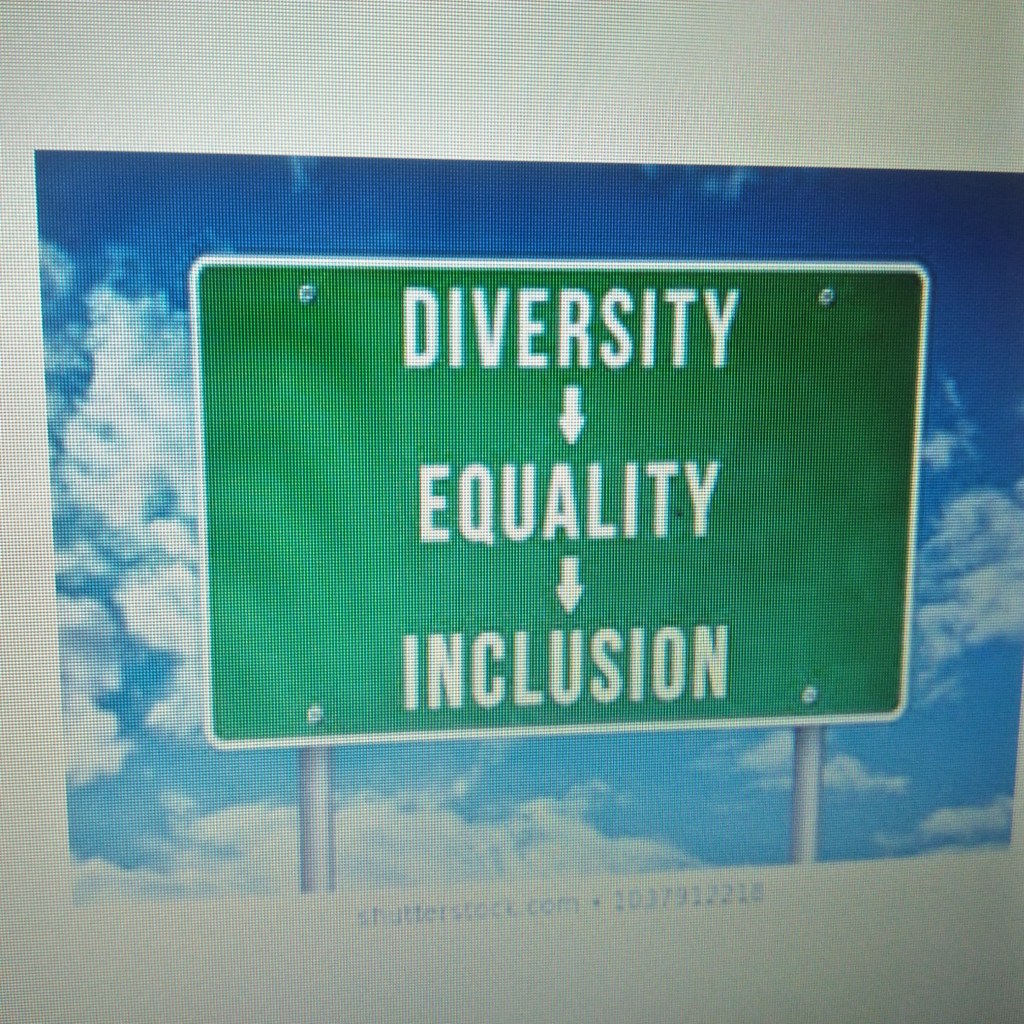
Embrace Diversity and Inclusion:Our differences Make us Better Together!

“Ouch! That Hurts!” We’ve all had those irritating moments when people who should know better but who are different from us have done things which are annoyingly disgusting to us. Some could be minor issues, slight omissions, ignorance and others are super disappointing. Annoyances irritate us, don’t they? For example when that boss of yours who is always harassing you of tiny commas and full stops you missed in that one well researched document (that has nothing to do with your star performance nor your content) and always act like their ideas are the best and their primary motive is minimize the work you have passionately done with all your heart and soul. Some bosses are super annoying that even that 1 billion deal you personally initiated and closed single handedly without any of their “annoying help” they suddenly want to take all the glory and honor for it, let alone the fact that they will never give you credit for any of the work you that makes them shine, some even acting now to suddenly know everyone in the 1 billion “deal chain” who you personally introduced to them in the first place as a matter of communication protocol. Annoying is an understatement won’t you all agree? Disappointments are when people don’t do what is expected of them. For example, when you are a person living with disability in a wheel chair and you are waiting patiently and minding your business in a long queue for over 30 minutes and from nowhere this feel good young “son of a gun” comes from nowhere and cuts you off in line just because he/she “knows” the guard who is manning the line. Disloyalty is when someone you trust so much does not reciprocate that trust for example a friend whose whom you share all your secrets with including your health, investment and marital affairs with and you thought were same boat –only to discover that they never shared none with you and infact they are secretly investing wisely alone.

Betrayal is even worse because it’s when someone you fully trust goes behind your back to harm you, for instance a parent who abuses a child who in a family of 3 comes last in her class work (who might be genuinely challenged in their mental development hence performing poorly in academic scores whether consciously or unconsciously) betrays the poor innocent child. Brutality is another cause of deep hurt because it is when someone violently assaults you and causes harm to you. During times of war and crisis you often read how pregnant mothers with their young infants, refugees, orphans and their physically disabled persons who cannot run fast enough to escape harm’s way -are raped- personal space violated, murdered, battered and injured and sometimes I wonder why God would create such heartless beings for? Brutality leaves people scarred for life and my heart goes to some of you reading this article or your family members that you know who might have experienced some of the worse forms of brutality that I have highlighted above: battering, isolation, rape or murder or just outright discrimination, physical looks or religion.


But often we human beings often forget that the worse forms of brutality in this life is often not physical violence. Can I shock you though that as sad as the above examples sound, the worst form of human brutality is that one of not fully embracing diversity and inclusion-an area where we are all guilty of ,aren’t we? I know I am…and the question here is not whether it’s whether consciously or unconsciously. I am not sure about you but growing up how did you like it when your parents used words to “tear down your confidence” by using words like “you are as stupid as your mother” Ouch this really hurts, doesn’t it? Or our teachers who in front of your crowded class of +30 classmates asked you a question in an chapter you had not studied well the previous night and quickly ridiculed you back by labelling you “you cabbage will never amount to anything you good for nothing”. It’s one thing to get over an irritation that hurts most. I know these examples sound as ridiculous as they come but the pains of the past labels keep most of us tied up in bitterness towards those who hurt us and as much as we may not think about them now and might have moved on and succeeded in our lifes despite these hurts and nasty negative labels, the best thing we can do now is not only to forgive with grace but also being deliberate about not making same mistakes by embracing diversity and inclusion boldly in our areas of influence! A world without diversity and inclusion is not only annoyingly boring if not disappointing but a brutally betraying retrogressive world!


What really is Diversity & Inclusion? Diversity is the full range of ways a person can identify with. When we say diversity in the workplace, the idea here is that our companies reflect the diverse communities we actually serve. Diversity has many facets including race, ethnicity, gender or gender identity, age, religious affiliation as well as sexual orientation. But diversity isn’t always something we can measure or see. Diversity also includes people with differing educational backgrounds, personality types, cultural references, work experiences or physical abilities. Inclusion on the other hand is when every single person in the workplace is valued, heard, respected, empowered, and feels a true sense of belonging. Let me quickly insist that as an employer just verbally saying that you value people does no good to any one infact this is what I call sheer “lip service”! Valuing really means appreciating the value people add to your organization by physically rewarding them in monetary terms and in merit based competitive performance reviews as well as equal pay for equal work done regardless of their gender diversity (not just praising and deliberately rewarding your personal favorite staff alone, you all get it now? I pray so). It goes beyond tolerance to actually celebrating and elevating every person in the room. 

In my opinion therefore Diversity is inviting everyone to the party but Inclusion is being asked to dance shall we? After all if you love life and music like I do you will agree what’s the point of inviting people to a “parte-after-parte” with a top DJ with some good music and not letting them dance? Inclusion for me means equality and in my article this week I am specifically referring to equality of business opportunities which also means involvement in decision making processes. For those of us in corporates, our employees come from very different backgrounds and have a wide variety of life, cultural and work experiences no wonder diversity and inclusion has become a hot topic in corporate conversations these days. But without putting equity into the equation i.e. equal pay and equitable leadership and advancement opportunities (in particular for women, our talented youth as well as people living with physical and invisible disabilities), then Diversity and Inclusion efforts become pure lip service at worst, and most definitely not sustainable. Recognize the value of different perspectives, encourage employees to be their true selves and work toward full organizational equality is key.
While there are many conversations happening about diversity and inclusion in the workplace, few of them focus on what companies can actually do and the how to implement inclusion at the workplace. Without clarity on why diversity matters for businesses, it’s no surprise that many of these conversations feel unproductive. Even for those having the conversations, it’s often difficult to take action into execution stage. A study done found that while 60% of men at startups believe that diverse teams are better at innovation and problem solving, only 41% supported company-wide hiring practices aimed at increasing diversity. I think it’s time we talk about diversity in a way that makes it approachable and actionable. Without identifying this, diversity is a goal than can seem abstract and utopian. Clear reasons will result in actions that can be prioritized and impacts measured.
Diversity is by no means not the end goal, but a means to a more inclusive, more just, and more effective workplace. It’s becoming increasingly clear that having a more diverse team creates a better company. Creating a diverse team can’t be done all at once, so we can only accomplish it by breaking it into granular actionable executable pieces. Identifying specific strategic themes that are aligned to your vision can help promote work diversity and show the impact in your company’s bottom line. Here are a few areas that resonate with me:-

a) Revise more inclusive hiring processes focusing on diversified hiring process can inspire changes in how you evaluate potential employees. If any step of your hiring process disproportionately cuts out marginalized groups (e.g. expectant women, young inexperience youths, people living with disability-PLWDs) you’re probably doing something wrong. Adjusting your internal processes to be as inclusive as possible will lead you to be more deliberate and conscious about how you assess potential candidates, and improve the quality of all your hires. A big shout to companies that have recently started using more inclusive terms e.g. “Women, Youths and PLWDs highly encouraged to apply” in line with Government Procurement Opportunities (AGPO) program which was founded in the Constitution of Kenya,2010 Article 227 on the fair equitable, transparent and cost-effective public procurement of goods and services as well as 2010 Article 55 on affirmative action and the public procurement and asset disposal act,2015.Considering what’s going to make your team more diverse helps you deliberately tweak your hiring process to ensure that your new hires complement your already existing teams. I highly commend and applaud our Vice President of IT in my workplace who when he came in 2018 realized that we had very only 1 female working in our IT department. As we speak we have been very deliberate and attracted 4 highly skilled female staff in this heavily male-dominated space. https://agpo.go.ke/pages/about-agpo

b) Attract more people Diverse groups are a sign of a healthy, innovative and inclusive culture. Prospective employees really do notice your company make-up when they’re deciding where to work. They’re looking for what feels like a place they can fit in, even if you don’t hear them say it explicitly. So if you want to the so called “employer of choice” in your sector then diversity and inclusion is a must have in your company agenda


e) You can’t fake it Hiring from marginalized groups simply for the sake of diversifying your company is unacceptable and very insincere. No one wants to get a job because they have had disadvantages, and no one person can be diverse in isolation. People deserve to be recognized for their potential contributions and how they will contribute. Carefully identifying what you want can change how you interview all candidates. Can you test for all the things you’d like in an interview, and are you doing that yet? There are lots of valuable skills beyond technological skills, like user empathy and product sense—many of which are even harder to teach. There should be belongingness in inclusion, there is growth in diversity. We should all encourage and enable our employees to bring their true selves to work (not the fake hyped self).

c) More welcoming workplace Being a part of a minority or marginalized group in a non-diverse workplace can be very lonely and isolating. For example, 10 years ago i used to find it very awkward, really distracting when I was the only African girl in a conference room full of “macho” men but of course with time -10 years later I totally love it now. Diverse companies let their employees’ direct energy toward being their happiest and most productive selves. Let’s never perceive our differences as barriers but as opportunities to learn, experience something new, let’s be tolerant and empathetic.


d) Spark creativity and empathy Diverse teams bring the collection of their collective experiences and are less likely to practice “yes mom, yes sir” boring group think. For us in customer-facing product development departments, it’s important to have a diverse team that represents the people that you serve. Diversity drives customer-centric, creative innovative solutions allowing them to have their “skin in the game”-of taking full ownership of the success of their product development process to the end.


f) Get internal support It’s vital to get the whole team behind diversity and inclusion. Start by simply sensitizing your teams internally of the simple unconscious biases that exist and demystify those first, let them take ownership by pledging to take “baby steps” to change the narrative in their respective areas. Otherwise, the work falls to whoever feels most passionately about it, or worse, to those perceived to be the most passionate about it, often by their own minority status. Executive support is especially crucial to show, without ambiguity, that diversity work is on par with the rest of scheduled programs. The most important way a company can recognize that working towards diversity is vital and long-running is to hire a full time diversity lead or champion. If you’re not ready for a full-time role, start with a part-time role, either in HR recruiting or in business. This is how many companies globally have done it in line with Sustainability Development Goals (SDGs). It’s exactly how Statestreet Bank and being part of the pioneer in their employee diversity work-streams that we developed from scratch and am really excited to see the program thrive over 10 years later even after I left the organization thrive and the impact it has had on over 30,000 employees globally. “At Statestreet, we made it a priority to ensure that all of our employees feel their identities and experiences are represented, embraced and celebrated regardless of their differences” https://www.facebook.com/StateStreetCorp/videos/495407971044664/


Call to Action from why to how –Without that mental shift, it will forever remain unclear how diversity should be prioritized inside a company when other social justice issues aren’t. I have personally found that making business cases for diversity in my areas of influence have converted me into a Diversity and Inclusion ambassador and very vocal natural advocate of the same. I went from thinking that diversity was something I wanted in my Kenyan community, my estate, the market place and at my workplace to realizing that investing in diversity is part of investing in a sustainable company built to last. Investing in diversity builds and grows the strongest innovative possible team—and finding the details of how to invest in diversity can let you get that work done!

We are living in challenging and uncertain times right now. Unprecedented change is happening on a daily basis for businesses, communities and individuals alike and the amount of coverage and opinions can feel somewhat overwhelming. But one thing is for sure: inequity is rife in our society and we need to pay attention and adapt accordingly. With COVID-19 disruption there are golden opportunities to rethink towards being a more adaptive inclusive society. As leaders readjusting your sail to reap the benefits presented in this new normal we find ourselves in, the future survival of businesses is in diversity and inclusion which is the epitome and the mother of all innovation from other individuals who are wired differently from our same old traditional norms. Build your awareness to perceive inclusion, not as a charitable opportunity but rather a necessary part of every organization’s innovation and relevance. The broader the scale of inclusion, the more powerful an organization’s influence and impact will be during this new age, where workplaces are evolving from physical spaces to states of mind. Inclusion and diversity is not just about policies, they are a core part of the values we uphold —and how we live those values every day. Inclusion is a precursor to an organization’s edge, and its adaptive capacity to deal with rapid change. Like never before, the effectiveness and uniqueness of the perception of an organization’s people has become its crown jewels in today’s new digital economy. Inclusion is no longer affirmative action. It is necessary action, it is a basic human right. Look out for my next articles where i will be discussing a topic am super passionate about “Diversity and Inclusion in all matters Women in Leadership”!

We all know that globally women are bearing the brunt of the damaging effects of the COVID-19 pandemic in Africa. Whether it is as health care workers – of which they comprise the majority of – through extra family and child care responsibilities with all schools shut down now; as the majority of low-paid and informal sector workers across Africa losing employment, or enhanced risk to gender-based violence; women are exposed to greater challenges and risks as a result of the COVID-19 pandemic. We shall explain how African businesses can play a role in supporting women during this time? What kind of inclusive interventions companies make to address the unique challenges women face and continue to face long after COVID-19 pandemic ends?
Until then let’s walk the talk in matters diversity and inclusion and this starts right here with you and i! The late Bob Collymore, Wangare Mathai, Steve Jobs and Albert Ernstein were those guys that fearlessly influenced inclusion in their areas of influences! Will you stand to be counted like them by being an agent of change? I look forward to reading your posts sharing exactly how you are impacting in your area of influence to a more inclusive world.

Change is inevitable! “Lessons from COVID-19 Coronavirus Pandemic”

There is a popular African proverb that says “every morning in Africa, a gazelle wakes up. It knows it must run faster than the fastest lion or it will be killed. Every morning a lion wakes up, it knows it must outrun the slowest gazelle or it will starve to death. It doesn’t matter whether you are a lion or a gazelle, when the sun comes up, you’d better be running.” Sometimes when we are faced with change, often perceived as a life threatening danger, there is a temptation to pull tighter around the metaphorical camp fire circle and wait to see what will happen. This is where comfort and familiarity can be found, and it is easy to associate with other people in the same resistant mindset. There is a facile belief that lions would not venture into such a safe place and generally we human beings don’t naturally like change. However if we are in business, this is exactly the wrong thing to do. The initiative rests with the first one with their running shoes on. When circumstances change, you too must quickly adopt by adjusting our sail and so when the sun comes up, you’d better be running.

In today’s world, change has become much more volatile and the reality is that it can no longer be controlled! The recent Coronavirus pandemic (that has taken the whole globe by surprise)even the world’s most prosperous super powers- the United States of America and European countries such as Italy have so far not been able to control its rapid spread which has caused so many sudden deaths to date (my sincere condolescenes goes out to lives lost and for many people infected this far)
Traditionally most company’s change management approach attempts to control change by attempting to manage risk, resist change or control the direction of the change. For a couple of years now, the term “VUCA” has gained popularity becoming a very trendy managerial jargon for leadership challenges; a short name for Volatility, Uncertainty, Complexity, and Ambiguity, and a catchphrase for “hey, it’s crazy out there!” which covers various aspects of the ‘uncontrollable’ environment we are living in globally. VUCA makes it even more difficult to know exactly how to approach a challenging disruptions and its easy to use VUCA as a crutch, throwing off the hard work of strategy and planning-after all, you can’t quite prepare for a VUCA world, right or can you?

If we look at the 20th century one will see a huge amount of disruptions. The rise and fall of manufacturing, the birth of the digital economy, there was most definitely no shortage of change. Change was evolutionary and it didn’t take huge insights to see what was coming over the horizon. But today things are even more drastically different. The world no longer need feel “good leaders” instead we need fearless change agents who are comfortable operating in an environment of constant uncertainty and chaos and who embrace change quickly adjusting their leadership style masts accordingly to solve world problems. Fearless influencers are leaders who will not compromise nor tolerate mediocrity in their organizations unsettling the status quo. They boldly need challenge the status quo and way things have always been done because they are confident these processes no longer apply in the new business unusual VUCA reality.

Reminds me of my previous life we had innovated a digital solution which we dubbed “kill the stupid rule” which was an online “suggestion box” which internally encouraged all of our staff regardless of their ranks to continuously review outdated non value adding operational bank processes that were obsolete which no longer made business sense. This allowed us all critically think outside the box paving way for business process reengineering to stay relevant to our esteemed customers we served.

The world has changed and what was once very safe ground, no longer exists. In today’s world, no one is spared from constant change whether its the work place,churches or even entrepreneurship space to the political scene. In order to stay competitive in business, governments and organizations must evolve constantly! But the truth is nothing about managing change is easy for leaders because it’s not organizations, governments or countries that change it’s the people who lead these organizations who themselves must change first and drive that change from thoughts into execution. Steve Jobs was a master is driving change. He knew very well how to inspire and push his teams which enabled them release innovative, customer centric, demand driven products throughout the apple company every now and then.

For effective transformation to occur in an individual, a company or a country, a fearless leader must arise and take the bull by its horns. Nothing has ever happened without someone as crazy as Steve Jobs first deciding to take the first step of action to making the change happen. Change is the only constant and it is going to happen in your life whether you like it or not. It’s better to be mentally ready than end up getting surprises leading to stress that can affect your health and productivity. In my opinion COVID-19 crisis has taught us critical lessons as follows:-
1. Resisting change will get you extinct, so choose to update yourself with the changes and trends around you. Our customers’ world is rapidly changing. Consumers are living through a period of great political, social and technological disruptions. Customers globally are looking for organizations they can trust to offer them bold decisive leadership, not only now but in the future. Am particularly impressed by how us leaders in the Kenyan banking sector have positively responded to COVID-19 crisis by going the extra mile to support a cashless economy, educate our clients on how to stay safe, transact online, extending them care as their merchants of hope by sharing health nuggets daily to help them prevent spread (as we all know physical money exchange has high potential of transferring and spreading this deadly virus). We at State Bank of Mauritius (SBM Bank) for instance are constantly sending our staff and our clients educative health –personal hygiene short nuggets on how they can take serious precautionary safety measures(masks,temperature check, sanitize, social diatancing, keep calm) instead of embracing the negative fake news making rounds on social media platforms causing panic attacks. We are urging then to go digital, stay healthy, stay home training them how to migrate their businesses online. Banks have also done a great job coming up with a real practical measures for not only for customers but also for their staff to minimize the “crisis pain”. For a health crisis to not turn into a financial crisis, some drastic changes have been undertaken by the private sector. For instance Central Bank of Kenya on March 24th 2020 announced a set of additional emergency measures to mitigate adverse effects on our Kenyan banking sector from the Coronavirus pandemic-which will facilitate lending by commercial banks to borrowers who are in sectors that are adversely affected by COVID-19. As a result most commercial banks in Kenya agreed to extend the repayment of personal loans by a period of up to 12 months and have shown willingness to accommodate loan restructuring discussions with our Small Medium Entrepreneurs (SMEs) and corporate borrowers at favorable loan terms. In order to reduce the usage of physical money, one of Kenya’s largest telecommunications service provider,Safaricom has since waived off transfer fees for MPESA transactions below USD 10 and has also increased their daily limits to encourage the use on cashless mobile money just to “shoulder” millions of their loyal customers’ from coronavirus crisis burden. As a bank we are constantly monitoring the situation and are working closely with Kenya Bankers Association (KBA) as well as our regulator Central Bank of Kenya (CBK) for usual guidelines, Ministry of Health and security agents to share information and encourage ways to mitigate the crisis, because we must collectively adopt to this change to ensure SMEs sector remains growth engines for our country and the world at large.


2. Do not let fear silently stop you from innovating. Always ask yourself “What would you do if you were not afraid?”-Of course we are human and it’s normal to be afraid during crisis but should never stop taking risks. Albert Einstein was right when he said “even in midst of every crisis lies great opportunities”. Let go of your fear, run away from negative ungrateful people who “spill venom” out of their mouths all day long.


3.  It’s important to always “smell the roses or smell your cheese” often, so you know when it is getting old. Stay alert and aware of your surroundings. Keep checking for any changes in your roses or cheese and prepare yourself accordingly. Invest in personal development, learn a new skill online or a find a new hobby. Few days ago when we released non-essential staff to work on a rotational schedule to decongest our working spaces as a result of the new mandatory government health “social distancing”bdirective, one of my our staff came and asked me “surely what will I doing all day at home” and I gladly but jokingly dared him to try learning new skills e.g. jogging to stay healthy, cooking, reading a good motivational book, do a short online course, help the needy, reorganize closets, call parents or siblings to check on them. You get the point here – if you like me always adopt a student mentality, stay foolish, stay hungry and keep smelling the happy tasty cheese as it makes life more fun,fulfilling and so much worth living. Always imagine yourself enjoying your new cheese even before you find it. The power of the tongue is simply “what you say is what you get” and whatever your mind confesses you sure will possess. Follow the universal law of attraction, keep thinking of what you want to achieve, make changes, take action and get it done.


4. “The quicker you let go of the old cheese, the sooner you find new cheese”: Don’t hold onto things in your life that don’t add value, such as sitting in a lunch table to gossip and spread fake news and rumors! Nobody got time for that in 21st century! Let yourself flow like a river and draw new paths (attract new cheese) when change happens. It’s funny how all of us have quickly learnt how to keep the 1 metre “social distance” and my goodness for us believers who would have thought that churches,mosques globally would be shut down and worshippers have all quickly gone online. At least Kenyan banking was already mobile and online. I urge us all to keep experimenting new things and invent new ways of doing things instead of the same old ways so that you attract “new cheese” to flow into your life because what’s what life is all about.


5. It is safer to search in the maze, than remain in a “cheese-less” situation: In the current coronavirus crisis let’s not excessively dwell on what we have lost or cry over how many lifes we have lost (which is honestly very heart breaking) But instead let’s try to see what is still there. Where there is a will there is a way. Instead of panicking why not count our blessings such as the gift of fresh air, life, our lovely families, us being alive and healthy. Today when you go home take a few minutes and physically count the things you are grateful for one by one and if possible write them down in a piece of paper. Try to instill this belief in yourself that there is still hope in every crisis and take the healthy precautionary common sense hygiene measures that have been set up to prevent the spread further such as staying home and self-quarantine for those who have some of the symptoms listed by World Health Organization. Doing nothing about something only adds to desperation stigma, idleness, fear and hopeless “cheese-less” situations that could cause extra stress related health risks. Most countries have already started taking serious unorthodox measures to control the spread of this deadly coronavirus such as churches and schools closure , quarantines in airports, ban of all public gatherings-so let’s all quickly adjust our sailing masts to the “new normal”


Finally as we all embrace the new normal COVID-19 world of social distancing and sanitizing every 5 minutes let’s stay calm and remain focused on bridging the opportunity gap for those highly marginalized and vulnerable members of our society who depend on their hard earned income they work for daily (who earn far less below a dollar a day). Let’s not forget to help them navigate through this crisis to not only contain the virus transmission, reduce the risk of spread. If this coronavirus does not teach us nothing else, may it teach us that we cant afford to be led by our “feel good” gut feeling, weak minds. Even more important for us Kenyan citizens with deteriorating health systems which for years have been neglected by our policy makers at the expense of poor citizens, i hope this painful coronavirus pandemic helps us to choose and demand authentic servant transformational result oriented leaders –those with the calm wisdom, innate empathy to apply broader outlook that the best of humankind has always shown. And to our political leaders currently in offices-who are notoriously known for “flying abroad” for medical treatments instead of building state of the art hospitals that they can be proud to use themselves-now that international flights are on lock down may it be a rude reminder as to why you were elected in the first place is to not to put your interest first before the citizens who elected you. Please repent and go back your sober servant leadership of putting the interest of all citizens first. Indeed this too shall pass because in God we truly trust but until then my friends stay fully sanitized, wear a mask,keep your social distance, stay calm and keep healthy. Looking at the scary death tolls in America and Italy (who have far much more advanced health systems way better than Africa), I urge you all to please comply with all the local authorities’ directives, be part of the solution not part of the problem as ignorance surely has no defense. As much as change is inevitable, always remember death and life is in the power of the tongue so please by all means speak life and keep hope alive, shall we?

What Legacy are we leaders leaving behind?

What Legacy are we leaders leaving behind?
The month of January 2020 was filled with enough sicknesses of close friends’ relatives and work colleagues’ siblings. And like that was not mentally draining enough, Kenya towards end of January suffered the worst infestation of desert locusts which are spreading fast and furious to other counties regardless of mitigation measures Kenya Government and other development agencies have quickly put it to control them from spreading further and damaging crops. The fact that these fat locusts cost the former Agriculture Cabinet secretary; Mr Kiunjuri his job and the fact that this Valentine’s day some of the Kenyan men failed to buy their spouses red roses and many of them hilariously pulled the “locusts ate all the flowers” plugs on us just like the Men’s Conference 2020 –which is a story of another day.
There was also a lot of deaths happening in this month of love February starting with the Los Angeles’ Lakers NBA legend Kobe Bryant who crashed with 7 other precious souls. I bet he had flown many times with a similar chopper for practice but this time he did not survive sadly. Even more heartbreaking for me as a young mother is the fact that death did not spare his precious 13-year old daughter adorable Gianna. Now Kobe is forever gone, tragically lost at only 41 –I could not imagine what his wife, Vanessa, and his surviving three daughters went through receiving such news.
Close to home last week the world joined us Kenyans to mourn one of our longest serving astute politician of our times Daniel Toroitich arap Moi  and lay his body to eternal rest in his Kabarak home. Moi was a Kenyan statesman who served as the second longest President of Kenya from 1978 to 2002. He served as the third Vice President of Kenya from 1967 to 1978, and succeeded the former President Jomo Kenyatta following the latter’s death. Many considered Moi dictatorial and autocratic especially before 1992 when Kenya was a single party state. Born into the Tugen sub-group of the Kalenjin people in the Kenyan Rift Valley, Moi studied as a boy at the Africa Inland Mission school before training as a teacher, working in that profession until 1955. He then entered politics and was elected a member of the Legislative Council for Rift Valley. As independence approached, Moi joined the Kenyan delegation which travelled to London for the Lancaster House Conferences, where the country’s first post-independence constitution was drafted. In 1960 he founded the Kenya African Democratic Union (KADU) as a rival party to Kenyatta’s Kenya African National Union (KANU). Following independence in 1963 Kenyatta, who became Prime Minister and later President of the new nation, convinced Moi to merge the two parties. Kenyatta appointed Moi to his government in 1964 and then promoted him to Vice-President in 1967. Despite opposition from a Kikuyu elite known as the Kiambu Mafia, Kenyatta groomed Moi as his successor, he took over as president when Kenyatta died in 1978. I could not help but notice that thousands of usual peculiar Kenyans on Tweeter (KOT) were trending discussing about his strong belief and his enormous support for children education especially the girl child –this explains why to-date Moi Girls schools are still thriving so are Kabarak schools. Moi was popularly a darling of many school going students many who will forever remember him for the mouth-watering milk he supplied them in schools free of charge popularly dubbed as “Maziwa Ya Nyayo” His generosity was unmatched and as an author this provoked me to write about a subject am very passionate about of what legacy different leaders leave behind. Part of it is perhaps driven by the fact that personally my education was as a result of my poor village parents’ generosity who themselves did not have the privilege of going to school due to poverty circumstances growing up and their unwavering belief of one of my favorite African super heros Nelson Mandera’s legacy that “in Education lies the power to change the entire world”. My siblings will tell you for free that sweet parents sacrificed and risked everything to educate all 8 of us in equal measure (5 girls and 3 boys). This same “education seeds” that my parents religiously “planted” and painfully “watered” in us has opened doors internationally for me that I would never have dreamt off in the wildest dreams. Talk of leaving a legacy my late mother Nduta’s legacy of selflessness, servant leadership, care for humanity, love and extreme generosity lives on 17 years after she left us. No day goes without us remembering your loving kindness. Sweet mama you left us too soon but rest assured in our hearts you will forever be a shining star of hope!

As I quietly watched above listed sad events unfold around us like a fiction movie, it never ceases to surprise me how many of our leaders never really spend enough time thinking about their legacy – what you will leave behind for the family, countries, teams, organizations and the people they currently serve. Really sad isn’t it? As leaders we are so caught up in the rat race of chasing the next biggest opportunity and more often than not in the “man eat man society” syndrome that we never really think of legacies
Webster’s dictionary defines legacy as, “anything handed down from the past, from an ancestor or predecessor.”  Legacy is not bound by age or time served or scandalous wealth accumulated left behind.   Legacy represents your work at each stage of your career as you establish the foundational building blocks and accumulate the required wisdom to contribute to growth, innovation and opportunity both in and outside of your God-given area of influence. Your legacy grows with each new experience, with each previously untested bold idea that you are courageous enough to deploy, and each time you fearlessly inspire others to see something through to fruition. A lasting legacy is about the actions you take while alive and the way those actions affect how people remember you. For families, people leave a legacy to ensure their loved ones will be taken care of when they’re gone, and always remember them with endless love.

Your leadership and legacy is not shaped at the end of the road in your dying bed nor is your legacy defined by how many fluent charismatic speeches written praising you highly nor by how glamorous your well organized funeral processions nor number of tributes paid to you by your emotional mourners but rather by the memorable priceless moments shared, the decisions made, the actions taken, and even challenges overcome throughout the many phases of your life. Leadership is a privileged from God, a reinvention process – a continuous discovery that informs your mindset, new skill sets and aptitudes.   At each stage of our lifes, businesses or careers, we must endeavor to keep creating sustainable impact that will outlive our lifes and fearlessly influence policies that make a difference in others lifes.
It cannot be business as usual and we must refuse mediocrity and impunity that rocked many African countries and that has seen previously well respected companies that were thriving put into receivership due to selfish greed, “cooked books” due to poor corporate governance at board levels, corrupt business dealings, scarcity mentality, failure to adhere to tax and legal compliance regulatory standards that are so clearly set for all of us to follow. For some of these companies it is even sad because their Boards were so hard headed-egocentric that they would not listen to their subject matter experts at the time. With each step we take, we must identify new ways of mastering leadership fundamentals, which in turn provides us with greater clarity and depth of thought to better the legacy we want t behind when we are out of this world. Unfortunately when people talk about leaving a legacy, they’re usually thinking in terms of what they can do at the end of their lives to make an impact after they have squandered their precious youthful productive years. I strongly believe that our legacy will be measured by what we do every day, all day, all year. The most influential people who leave behind incredible legacies, live on in the hearts of the people they have interacted with whose souls they touch along the way (not abuse, hurt and inflicted suffering). When was the last time you stopped and seriously answered below questions:-
What is my role on earth and what’s God given purpose for my life?
What am I super good at that am so passionate about that I could do without a pay?
If you were Kobe Bryant and you knew today was your last day? What would you do differently?
How do I want to be remembered for? How can I take stock? What difference am I making?
The best possible use of our lives is to spend them on things that will outlast us. And the way to create a great leadership legacy is to genuinely carve your name on the hearts and etch it into the minds of others, creating stories that will make up your unique legacy. Contrary to what many think you can start making your mark right this very moment by defining for yourself below pillars of greatness:-

  1. Lead from within: Creating a leadership legacy is not leaving something for people. It’s leaving something in people that can add value to their lifes for generations to come long after you are gone. A perfect example is Martin Luther Junior’s “I had a dream” movement which has outlived him years later. Close to home is one of my favorite heroine the Late Dr Professor Wangare Maathai ((who I honestly must admit that I feel like we Kenyans have not yet celebrated her enough like we should-Kenyans on Tweeter(KOT) I dare you can dare to convince our Government to consider declaring “Wangare Mathai as a public holiday with one condition that on this public holiday every Kenyan must plant 2 trees only and post the same on KOT-can I count you all to this challenge folks?)) I digress but in her fearless pursuit Wangare Maathai fought for the green belt movement which sparked tree planting drive in Kenya –she saved millions of innocent trees starting with our serene Karura Forest right here in our backyard. She was so firm and such a visionary that God allowed her to predict that if we carelessly continue neglecting our environment by cutting trees faster that we planted then we end up with what we are grappling with now “global warming” crisis which has dramatically changed our weather patterns, planting season and distorted mother nature.
  2. People Matter, so put people first: if we trace our history as far as the days of creation in the book of Genesis, we can all agree that God’s greatest treasure in the whole universe was us human beings. During creation he indeed took his sweet time and meticulously prepared the earth, living creatures and then on the 6th day he said “let’s make man in my image” (not in the image of the animals or plants!) Indeed this world would be lifelessly worthless without people. Use your might, your energy, your wisdom, and your knowledge to inspire others before you expire. When you act with integrity by putting people first, God is glorified and when you treat others with respect and dignity it will forever be honored; when you are trustworthy it will be recognized; and when you live by a code of conduct and your values, others will know what you stand for and more importantly God is glorified. By so doing people will admire you and realize the impact you made along the way and in return they too will impact others.  When dealing with people, compassion and apathy are very important ingredients.
    Personally I don’t advocate for energy draining fund raising and the “hand-outs” mentality, but in the last 2 months I have had to personally mobilize my work colleagues to fund raise for sick siblings admitted in the hospital for a prolonged periods due to sudden major illness or health complications whose medical bills was 10 times what their insurance covers. (The saddest painful one of them all was few weeks ago a case of one precious sweet baby Jabali who was born prematurely and was in the hospital emergency nursery for a prolonged period of time whose bill had accumulated to over 6 Million shillings by the time it was brought to my attention to help by a concerned work colleague. I have never felt so helpless in my life like I did when I visited as we tried to fund raise in whatever manner possible –selling work heels, missing lunch at the office for this innocent baby, fasting, praying, crying to #SaveBabyJabali and I gathered strength by collecting my broken heart as we tried to negotiate payment terms for overdue charges with the Hospital’s CFO who was so candid with us of the scenario…my heart goes to all parents who watch their sick babies in hospitals helpless I tell you there is no greater pain!!!)
    Compassion though isn’t something you’re born with. It grows out of considerate human behavior, and any leader practicing compassion for others will forever be held in high esteem and long remembered after they are gone. Leadership, at its core, is about compassion—the ability to relate to and connect with people for the purpose of enriching and inspiring their lives. It is one sure way a leader can genuinely demonstrate the people you serve that you are human and you care about them. Putting people first means that you put others interests before yours.
    May I dare all our so called human resources officials who loosely use this fancy term “Employee First” just for the heck of looking nice and diplomatic to quit using it! If your actions do not reflect at all that you truly put your employee first please remove this “employee first” all together from your HR policies!
    A story is told of this so called “Employee First” International company that could not provide a common sense taxi facility to one of her female employee who is living with an obvious physical disability, nor could her “don’t care” employer offer her a soft-padded chair for her desk type of administration work even after she had pleaded for help few times! This meant that every month she had to incur extra-costly-painful-time consuming-draining-tissue damaging- physiotherapy sessions to minimize her walking pains because she is a mother and had to work to feed her family. Insanely inhuman isn’t? Imagine how little it would cost such a company to be human to this lady?
  3. The choices you make will leave a mark. Life is made up of an endless number of choices, and the choices you make add up to form your legacy. It’s important that whenever you make any decision you deliberately try to make choices that your gut feeling tells you that honors God the most, always put your best foot forward and learn from your past wrong ones you might have made. In the end, your leadership legacy will be a cumulative mirror reflection of the choices you’ve made over the years.
  4. Your character will leave an impression: character plays a vital role in leadership. In this digital millennia era of social media hype, many people are sadly more concerned with their reputation when they should be concentrating on their character instead. Your character is who you really are, while your reputation is merely what others think you are. Take care of your character and your leadership legacy will take care of itself.
  5. Adopt a gratitude attitude for the little you have: When God created us he must bounced with excitement and said “alas you are wonderfully and fearfully made.” God has given you physical, emotional, spiritual and mental energies. This is probably the biggest capital that God freely gave to you. You need to use this capital and create synergy, do good, help others at every opportune time. If you do not yet have any idea on how you can help those who are in dire need, you can start off this Valentine’s by collaborating with other like-minded philanthropic organizations such as ours Nduta Angels Foundation http://www.ndutangels.org As a global mentor I often meet many unemployed youths desperately looking for jobs and I always encourage as well as challenge them to try global volunteerism which actually helps expose them to acquire new skills they did not have.
  6. The confidence with which you lead will be admired: When a leader exhibits confidence, it becomes easier to trust that leader, and people want to work with leaders they trust. Imagine for a second working for a leader who panics every time there is a system failure or there is bush fire in California or whenever the stock market moves? In reality, self-confidence is a more important asset than skill, knowledge, or even experience. A confident competent leader will be remembered as someone who instilled hope, faith, and confidence in others by making them feel significant and empowered even in their most desperate times of need or in times of unexpected crisis.
  7. Courage and Risk-Taking
    As a leader, you must trust your gut feeling and be courageous enough to take calculated risks.     At times, this requires you to trust yourself enough to challenge the status quo and push the envelope of conventional wisdom – even if this means putting your reputation on the line. In 2013-2016 I personally had to pass up well deserved career promotion opportunities which was a very courageous but painful decision at a time when you would watch your “kiss ass” peers busy “kissing and others “sleeping their way up direct to the c-suite positions with no merit”. These same peers were enjoying hefty-unjustified fat take home salaries and per diem entertainment packages, living large, driving well-oiled Feralli machines & highly “glorified and worshipped money”, risked entire company and thousands of shareholders’ investments –all these at the expense of all of the other hard working employees in the same organization. I wonder where these guys now are as we speak and even the ones who survived the clean-up its by God’s grace and mercies that some of them exist Integrity is not for the faint-hearted nor for people who have little regard to ethical God honoring moral values in the corporate world.
    This also reminds me of 2010 when I finally made a bold move to resign my well-paying Wallstreet job to come back to my beautiful home country Kenya. When I first called dad to break the news ( who mind you had visited me several times in Massachusetts and had seen us living the life) and my siblings they thought I had lost my mind. 10 years later I look back and by God’s grace I can confidently say this one of the best decisions I ever made -coming back home and utilizing my wealth of experience to build a better Kenya. Am especially grateful to God for granting me an opportunity to enact award winning first of its kind ever Kenya’s Diaspora policies, African Institute of Remittances (AIR) with the able support of Dr Ambassador Amina Mohammed (who was at the time Cabinet Secretary Ministry of Foreign Affairs) & transparent inclusive Remittances policy and Diaspora Communication policy that has enabled Kenyan abroad to participate in Kenyan economic development as well as voting processes. Was lucky to also be part of the think tanks who history will remember for years for cleaning up long overdue Kenya’s Financial Sector mess. Am reminded of the Ronald Reagan’s legacy which was as strong as ever as U.S. political parties were in search of a narrative both sides can lean on to rebuild public trust in government and an example of how the Presidents should lead.   Reagan’s legacy was one based on courage and timely risk taking.  His supporters though have pointed to a more efficient and prosperous economy in the 80’s as a result of “Reaganomics” foreign policy triumphs including a peaceful end to the Cold War.   As a result of Reagan’s courageous actions and charismatic personality Edwin Feulner-The President of The Heritage Foundation, once said that Reagan “helped create a safer, freer world” and that “He took an America suffering from ‘malaise’… and made its citizens believe again in their destiny.” Amazing legacy isn’t it?
  8. Responsibility and Accountability: Legacy building is about being mindful of the opportunity and the responsibility you have to serve your own advancement by serving others.  Only you can set the tone and define the performance standards that you expect for yourself and from others.   As such, you must be incredibly self-disciplined to hold yourself accountable to consistently deliver to those standards every day, every step of the way. When you think about it, legacy is the establishment of traditions that can be passed on to future generations.   The model is the family business, where history and experience are directly passed on to children and other family members so that they can successfully take over and grow the business.  As a leader, it is your responsibility to uphold the legacy and traditions of those that came before you – but equally you must hold yourself accountable to build upon those traditions to further strengthen the culture, human capital and brand of the organizations, family traditions, businesses or communities you serve. We see examples of this all the time that we can draw from. Tim Cook has continued to uphold and further the legacy Steve Jobs left behind at Apple.  As the new owner of The Washington Post, Jeff Bezos, founder of Amazon, will not only carry on its legacy but plans to build upon it in an effort to evolve the newspaper to the modern era.
    Leaders who feel stuck in their lifes or careers are those that care more about recognition than integrity and respect. One of my other favorite dare devil who I look to when I think of the type of legacy I want to leave behind as a corporate leader is Sir Richard Branson, founder of Virgin Group. He had it right when he said what he wanted his legacy to simply be “To have created one of the most respected companies in the world. Not necessarily the biggest.” It is not until leaders desire to be significant that they discover the true meaning of leadership and legacy building.   When this moment is realized,   the lens that you see through becomes crystal clear; you begin to understand that being accountable for the advancement and success of others will ultimately define your significance as a leader not success.
    My fellow Kenyan leaders both in public and private sectors my prayer to God is that you seriously taking note and that after reading this thought provoking article you will find it worth making a 360-degree change that will outlast you beyond your call of duty in your leadership legacy –even in the midst of the all the notoriously mega corruption scandals in our country that are robbing Kenyan hard earned tax dollars. Why is this mission critical now than ever folks? Because if we don’t do it, now who will? And if not us then who? And if not now then- when?
  9. Genuine Care to Advance Others: Understanding what inspires happiness in those who support your leadership is critically important and I dare say it is not always money-ok human resources officers-please get that right at least for once! The saying “Money can’t buy happiness” is still true. Throughout your leadership journey you must continue to learn how to better serve others and genuinely support their career advancement and overall life goals-including work life balance objectives. Have you ever worked for an organization that has no respect for it’s employees and “professionally abuses it’s employee by not meeting Federal Employers guidelines-starting with promotion of it’s employees based on merit. In such organizations you will find you have hard working loyal employees who have stagnated in same boring positions for over 3 years with no career progression, no training of new skills by employer to build their capacities and zero personal growth! Pure madness isn’t it? In such companies you find that you have so many over qualified managers who work gracefully without complaining in mid management levels and very few aka chosen few unqualified Directors who have the talent -killer popular “Mugabe Hog-It- All Leader Syndrome” of am “never leaving this office” nor do they ever bother building capacity of developing their subordinate staff or managers to take up senior leadership positions! And even when they develop or promote they do it out of selfish ulterior motives to promote their “politically correct big talk-zero performance buddies at their office” who are good at “kissing ass” business. And as a Human resource God-fearing leader, how you think your loyal hardworking employees feel when you lazily and quickly hire from outside (for double the salaries-oh indeed common sense is clearly no longer so common?) in the name of “we do not have this skills set within our organization” How demoralizing is it for your own staff, and what a shame on you –you have failed miserably in your leadership legacy by not building capacity for your staff within who God has placed in your path to impact and develop. May the Lord help us as leaders!
    There is never a monopoly of leadership so I encourage all leaders to fearlessly nurture young leaders through mentorship, building their capacity through skills gap trainings, succession planning and responsibilities delegation. Never waste such golden opportunities to build a legacy that will outlast you even after your gone friends! It reminds of banking units that I have built from scratch (Diaspora Banking then Education) that is still exists long after I moved to kick start head other banking units that I am super passionate about impacting.
    Develop genuine responsibility to reciprocate the value they add to your success as a leader.  This meant taking the time to understand them and working towards helping them accomplish their career goals. Mentor and/or sponsor them to train in a new skill they might not currently have–build their capacity, give them the additional guidance they needed to prepare them for the next phase of their own careers or lifes. Part of the corruption that has crippled Kenya and other countries is that leaders allow greed to control their minds (I know money is to known to corrupt minds) The way to avoid money addiction, selfish greed, fame and glory that comes with power is always reminding yourself that you are here temporarily here on earth for a very short time and soon we shall all return to dust. David in the Bible, in the book of Psalms 39:5-6 says “we are like vapor.” Do good when we are still alive and kicking. You should be the Lord over your money and money should not be the Lord over you. Use the money to add value to others in the world. Whatever you do, do it with love and with excellence. If you are in business, develop award winning solutions that solve client’s every day pain points the way Kenya’s largest Telecommunications company-Safaricom PLC years back developed the mobile money MPESA to solve the money transfer pain point –which now some of us use over 5 times a day anywhere with a click of a button at the comfort of our mobile phone (money should not be your primary objective of starting business or starting any project)
  10. Develop the habit of giving: From my own experience, giving opens unbelievable doors that no man or women can shut. Part of my salary month goes to supporting extremely needy much marginalized orphans in different part of Kenya. I personally don’t give because I have so much plenty to give but because I know what it means to lack –I grew up in the village and growing up a child I experienced poverty first hand so “I have been there done that” and for me it naturally touches my heart when I see children who are missing school due to poverty levels in their household-I put myself in their shoes and feel it like it’s just yesterday. It’s also a blessing to give than to receive. Service to others is service to God. So i strongly urge you all to start giving the little you have and see how you create, wisdom, knowledge, wealth and even more riches than you could ever imagine https://www.ndutaangels.org/
    As I conclude let me urge us again that both Moi and Kobe Bryant’s deaths remind us that while we have no control of our life span on earth, we at least have a 100% control on what history we will write through our deeds. Their lifes and leadership styles truly reminds us that we have the choice to make the most of our days on planet earth because it takes us all a short memory for the failures that can fuel our success and the courage that drives continuous improvement, making our lives memorable in all the right ways. Like Kobe once said “Things change in the blink of an eye. People go to work and don’t come back home. We cannot afford to take things for granted anymore, especially our spouses and our families and friends. Don’t procrastinate spending time with your babies, don’t postpone that date night with your spouse, don’t delay another hang out with the boys or girls. Whatever good we can do for each other as friends and family, let’s do it now, make all your days meaningful in this life God has given us under the sun and not wait for “one more day” as that “one day” may never come.”
    Live everyday like it’s your last, believe in abundance and drop the poisonous contagious scarcity mentality, run away from negativity and pessimistic people who literally suck the life and energy out of you, appreciate people and believe in adding value to others. Indeed like Michael Jackson rightly sang it if we do so “we can make the world a better place for you and me” Shall we folks?

Failure to plan is plan to fail


Folks we thank God for according us all another chance to see another year. By this time of the year, many of us have already set very big hairy audacious 2020 goals and filled them all out in our journals. Some of us go-getters I know have even gone the extra mile and collaged our goals in some fancy vision boards in our bedroom closets and fridge doors as a daily nagging reminder of our declarations of our intentions for what we have set to achieve in this year of growth 2020.
There is a very popular adage that is often attributed to Benjamin Franklin-the father of time management that he supposedly once said, “Failing to plan is planning to fail.” I know this sounds like music to our ears but planning for life, business, work is a key area of great importance which is often overlooked due to the hustles and bustles of life. By a show of hands, how many of us have fully achieved what we set out to do in January? But we are already in week 5 of 2020 and the way I see it this year is slipping away like Mr Tyrese Gibson in one of my all-time favorite movie “The Fast and Furious 9” But hey folks don’t beat yourself up or write yourself off yet. There is hope to change the course of your destiny if you are super-duper honest with yourself to take corrective measures now.
Trying to achieve your goals without planning is similar to getting into your posh car that has no steering wheel and expecting to magically reach your expected destination. Unfortunately, too many people on this side of Sahara do not embrace planning and its many benefits. Instead, they free flow relying upon chance, others and just mere luck. If you have no sense of directions literally any road will take you wherever. To truly maximize your God given potential and accomplish your purpose on planet earth through set goals, organization is a mission critical necessity. Organizing your life requires that you adopt a structured process that you can embrace in every facet of your every day and adhering to it to nurture good habits that will encourage order. The reason many of us fail to plan is that we comfortably assume that organization process is complicated and a waste of time. Allow me to demystify and simplify this for us all in three A’s which are analysis, allotment and action. Which will help us work smart by structuring our day better to increase our productivity & efficiency

  1. Analysis: First understand what your responsibilities are (home, life, work) and priorities as well as their urgency in the order they must be done. Part of a successful organizational plan is applying it universally to everything that you do. Structuring only one part of your life and leaving the rest a chaotic jumble will not enable you to maximize your full potential. Start by writing down everything that you must do on a daily, monthly and yearly basis. While it may seem counterintuitive to look at something that you only have to do once a year such as your tax return, it helps by making the task easier and saves plenty of time that you spend doing it. Breaking a task into a series of smaller actions that are completed as they occur, such as storing tax financial documents and legal receipts in a designated file, is the key to efficiently completing large projects i.e. saves you time when you are compiling your tax returns. Instead of you hustling last minute to locate all necessary disorganized documents, they will be ready waiting for you. As you write your list, it is helpful to think about how you might be able to accomplish several tasks all at once. For example, combining a trip to the grocery store with your daily commute, or using time spent waiting for a delayed meeting to start to answer emails.
  2. Allotment: Using your analysis, determine what needs to be done and how long it will take you. Be realistic about deciding how much time to devote to each activity or various tasks as well when you will do it in order of priority. This gives you a “big picture” approach that enables you to decide how important each task is. This helps avoid spending too much time on the “little picture” activities which you can easily delegate, allowing you to concentrate all your efforts to mission critical actions. For instance, answering every single email instantly can waste a large portion of your productive day. It is also important to allow yourself scheduled breaks. No one is a robot or a machine, and we all need some down time to rejuvenate. Your time allotment needs to be very realistic. If you schedule fifteen minute blocks of time for projects that require an hour, you will not be able to finish what you have started and your plan will not help you to accomplish anything either. Be disciplined in a firm way, but without harsh judgment and pressure. Supervise yourself, watch out for the obvious procrastination tendencies, and gently bring yourself back to the task if you find yourself losing focus or digressing altogether
  3. Action: This is the most important of the three A’s. Even the sexiest plans are worthless if it is not put into actual motion. Execution is more important than planning itself. A perfect plan, poorly executed will most definitely fail. A lousy plan well executed is often successful. It may seem obvious, but way to fix a failure is often simple, work harder. That is why it is important to get into the habit of following your plans and learning to say “no” when others make requests of you for non-essential items. Staying committed to your plans needs to be your top priority. This is very hard to do at first but of course with time, it will become second nature as you have heard that popular catchphrase “it takes 21 days to form a new habit” Action also requires that you get into the habit of writing a lists either hard copy or digital, to help to keep track details and tasks that you need to be accomplish in the short term. Decide the format you are most comfortable with and begin to make a list at the very beginning of each day. Check off tasks as you complete them to mark your progress and enjoy that beautiful sense of satisfaction and fulfilment that comes from working smart, efficiently and more productive. Organizational tools, storage and other tools are invaluable in accomplishing your goals. If your closet is cluttered, look for storage systems that will help you to keep it clean. If you have difficulty keeping track of documents, incorporate a new filing system. Get in the habit of diminishing clutter by recycling or giving away things that you do not need or use i.e. magazines or documents you are done with.

By devising a deliberate plan to organize your life, you not only become more efficient but improve your work life balance by spending more time on the things that matters most to you such as extra quality fun-filled family time, travel, some quite time, reading or going to the sports gym or to the spa for some pampering. Applying this strategy to every area of your life will help you find more time to spend on the activities that make you tick which you enjoy as well as helping you to accomplish more with less. By using the three A’s above you will be able to realize many benefits of a more organized purpose driven life. Remember, without the willingness to be brutally honest with yourself, success in any way, shape, or form will not be possible.
So my dear friends I urge you to stop, take account of how wisely you have spent your time this far, reset, refocus, readjust as many times you need now than be sorry months to come. Even more dangerous is that when we to learn from the past we are doomed to repeat the same mistakes and fail again over and over again. Where possible keep an accountability partner who will propel you to meet your set goals. Here is to a more organized more productive 2020, shall we folks?